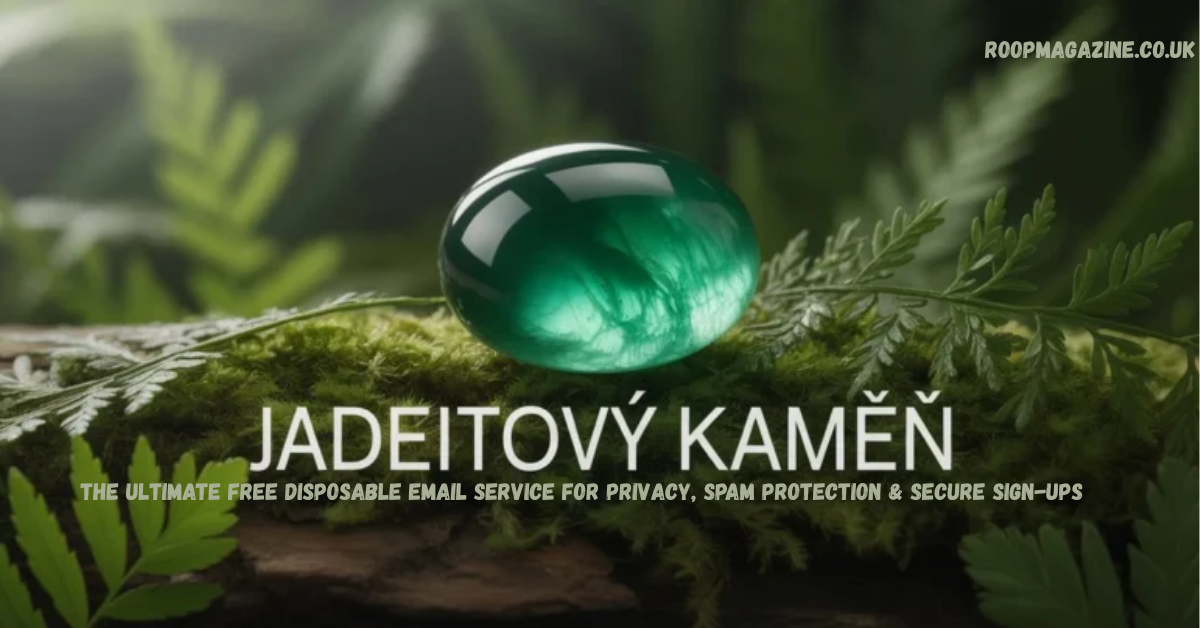
Jadeitový kameň — known globally as jadeite — is one of the most revered gemstones in human history. From ancient civilizations to modern luxury markets and wellness trends, this extraordinary stone continues to captivate gem collectors, spiritual seekers, and jewelry lovers alike. In this comprehensive guide, you’ll learn everything about jadeitový kameň — including its origins, physical and metaphysical properties, cultural significance, investment potential, and how to choose, care for, and incorporate it into your life.
What Is Jadeitový Kameň?
Jadeitový kameň refers specifically to jadeite, one of the two mineral species recognized as true jade, the other being nephrite. Jadeite is a sodium aluminum silicate mineral belonging to the pyroxene group with a hardness of 6.5–7 on the Mohs scale, making it both durable and workable for fine jewelry and carvings. Its crystalline structure allows it to achieve a glassy (vitreous) luster, which contributes to its glow when polished.
What distinguishes jadeite from nephrite — besides chemical composition — is its range of colors and higher rarity, which often translates to greater market value.
Difference Between Jadeite and Nephrite
| Feature | Jadeite | Nephrite |
|---|---|---|
| Mineral Group | Pyroxene (NaAlSi₂O₆) | Amphibole (Ca₂(Mg,Fe)₅Si₈O₂₂(OH)₂) |
| Hardness | 6.5–7 | 6–6.5 |
| Color Variety | Wide — green, lavender, red, black, orange | Mostly green, white, brown |
| Transparency | Semi‑translucent | Opaque |
| Market Value | Higher, especially in fine quality | Lower to moderate |
| Typical Uses | High‑end jewelry | Carvings, traditional artifacts |
Jadeite’s greater color range, translucency, and rarity make it the preferred choice for premium jewelry and collectibles.
History of Jadeitový Kameň
Jade in Ancient China
In Chinese culture, jade — known locally as yu (玉) — has been treasured for over 7,000 years and was sometimes considered more precious than gold, symbolizing virtue, nobility, and moral integrity.
Although early Chinese artifacts were often nephrite jade, jadeite became widespread in China in the 18th century, largely imported from Myanmar (historically Burma).
Confucius praised jade for representing the virtues of humanity. Chinese emperors cherished jadeite for imperial seals, ornaments, and ceremonial items. During the Qing dynasty (1644–1912), jadeite reached the height of its popularity and prestige among the elite.
Mesoamerica: Jade of the Ancients
Civilizations such as the Olmecs, Maya, and Aztecs prized jadeite above all other materials. In these cultures, jadeite symbolized fertility, life, power, and spiritual connection. It was carved into masks, beads, amulets, and ceremonial objects.
Other Ancient Civilizations
While less abundant than in Asia or Central America, jadeite was also valued elsewhere:
- Ancient Egypt: Used in amulets and protective talismans.
- Maori of New Zealand: Though chiefly using nephrite (pounamu), they considered jade sacred and used it as heirlooms and weapons.
The continuity of jade’s importance across time and continents makes jadeitový kameň one of the most historically significant materials known to humanity.
Cultural Significance and Beliefs
Chinese Symbolism
In Chinese culture, jadeite — especially in green hues — symbolizes:
- Virtue
- Purity
- Wisdom
- Immortality
- Protection from negative forces
Jade artifacts were often buried with emperors to protect the deceased in the afterlife.
Mesoamerican Connection
Mesoamerican cultures linked jade to the life force and fertility. Elite figures were often interred with jade offerings, reflecting beliefs in its power to connect the living world with the spiritual realm.
Modern Spiritual and Cultural Interpretations
Today, many people view jadeitový kameň as a symbol of harmony, prosperity, and emotional balance. It’s commonly used in Feng Shui to attract positive energy, wealth, and good fortune. Though these metaphysical associations are rooted in tradition rather than scientific proof, they continue to influence modern belief systems.
Colors and Varieties of Jadeitový Kameň
The most prized jadeite color is Imperial Green — a vivid, translucent green caused by trace chromium. Other beautiful varieties include:
- Lavender Jade: Calming purple tones
- White Jadeite: Often called “mutton fat jade”
- Yellow and Orange Shades: Rare and warm
- Black Jadeite: Valued for modern aesthetics
- Red and Blue Hues: Extremely rare and collectible
Color is one of the most important determinants of value. Even slight variations in hue, saturation, or distribution can add tens of thousands of dollars to a stone’s worth.
Where Jadeitový Kameň Is Found
Myanmar (Burma)
Myanmar remains by far the most important source of high‑quality jadeite, particularly the “Imperial Jade” prized worldwide. Many gemologists estimate that Myanmar supplies over 90–95% of gem‑grade jadeite on the market. The Jade Tract near Hpakan is one of the world’s most prolific jadeite mining districts.
Guatemala
The Motagua Valley in Guatemala has been a source of jadeite since pre‑Columbian times. Here, jadeite supplied Mesoamerican civilizations and continues to yield beautiful green and blue‑green stones.
Other Sources
Although less commercially significant, jadeite has been found in:
- Japan
- Russia
- France
- California, USA
- Italy, Mexico, Kazakhstan, and Turkey
Physical Properties of Jadeitový Kameň
- Hardness: 6.5–7 on the Mohs scale
- Luster: Vitreous (glass‑like)
- Color Range: Broad — green, lavender, white, black, orange
- Density: Approximately 3.3–3.5 g/cm³
Unlike many gemstones, jadeite’s beauty often increases with polishing and skilled craftsmanship, which brings out its depth of color and translucency.
Metaphysical and Healing Properties
While not scientifically proven, jadeitový kameň holds longstanding associations with emotional and spiritual well-being:
- Emotional Balance: Promotes peace and clarity
- Protection: Believed to shield from negativity
- Prosperity and Luck: Common in Feng Shui
- Heart Chakra Connection: Especially green jadeite is tied to love and compassion
These metaphysical traits stem from cultural traditions rather than clinical research, yet they fuel strong interest among spiritual and holistic communities worldwide.
Modern Uses and Applications
Jewelry
Jadeite is often crafted into:
- Rings
- Necklaces
- Bangles and bracelets
- Earrings
- Pendants
High-quality jadeite jewelry — especially Imperial Green — can fetch incredible sums at auctions and jewelry houses.
Carvings and Artifacts
Master artisans carve jadeite into figurines, sculptures, ornaments, and ceremonial objects — each requiring exceptional skill due to the stone’s toughness.
Skincare Tools
Jadeite rollers and gua sha tools have surged in popularity in modern beauty routines. Believed to improve circulation and reduce puffiness, these tools combine ancient tradition with contemporary self-care trends.
Decor and Spiritual Use
Polished jadeite pieces are used in:
- Home decor for elegance and positive ambiance
- Meditation practices
- Feng Shui wealth and harmony placements
Jadeite vs. Nephrite: Value and Rarity Comparison
Jadeite’s rarity, rich colors, and translucency typically make it more valuable than nephrite, which is sturdier but less colorful and often more abundant. Investors and collectors alike prioritize jadeite, especially untreated (Type A) stones with deep color and high clarity.
How to Identify Genuine Jadeitový Kameň
Visual Inspection
Look for:
- Natural color variations
- Fine fibrous texture rather than uniform glassiness
Physical Tests
Real jadeite feels cool to the touch and has significant weight relative to size. Scratch tests are not recommended on finished pieces — always consult a gemologist instead.
Certification
Reputable sellers provide gemological certificates confirming the stone’s type and treatment — or lack thereof. Always verify authenticity before purchasing.
Market Value and Investment Potential
Price Ranges
Gem-quality jadeite prices vary widely depending on color, treatment, transparency, and provenance:
- Imperial Green Type A: Can exceed $1,000–$10,000+ per carat for top specimens
- Moderate Quality: $100–$400+ per carat for colored or semi-transparent stones
- Treated or Lower Quality: More affordable but holds limited investment value
Investment Trends
Asian markets — especially China and Hong Kong — lead the global jade trade, with robust collector demand and auction activity driving record prices for exceptional jadeite pieces. High-end jadeite is increasingly viewed as a collector’s asset on par with diamonds and rubies.
Caring for Jadeitový Kameň
To maintain the beauty and durability of your jadeite pieces:
- Clean with mild soap and warm water
- Avoid harsh chemicals or ultrasonic cleaners
- Store separately from harder gemstones
- Protect from extreme heat, sunlight, and chemicals
Proper care ensures your jade remains vibrant and collectible for generations.
How to Incorporate Jadeite into Daily Life
Jewelry and Personal Wear
Wear jadeite pendants, rings, or bracelets to carry its symbolic energy with you daily.
Meditation and Well-Being
Holding jade during meditation can foster focus and tranquility.
Decor and Intentional Placement
Place jadeite decor in your living space or workspace to invite harmony and positive energy.
FAQs
Is jadeitový kameň suitable for engagement rings?
Yes — its durability and symbolism make it a unique and meaningful choice.
Can jade change color over time?
Natural, untreated jadeite maintains its color, though improperly cared for pieces can fade.
How can I tell if jadeitový kameň is real?
Authenticity is best verified via professional gemological certification.
Conclusion
Jadeitový kameň is much more than a beautiful gemstone — it’s a bridge between ancient tradition and modern appreciation. From cultural heritage and spiritual symbolism to jewelry prestige and investment value, jadeite remains one of the most fascinating and sought-after minerals in the world.
Whether you’re a collector, spiritual practitioner, jeweler, or enthusiast, understanding jadeite’s history, properties, and market dynamics empowers you to appreciate its timeless allure and make informed decisions when buying, wearing, or investing in this remarkable stone.