
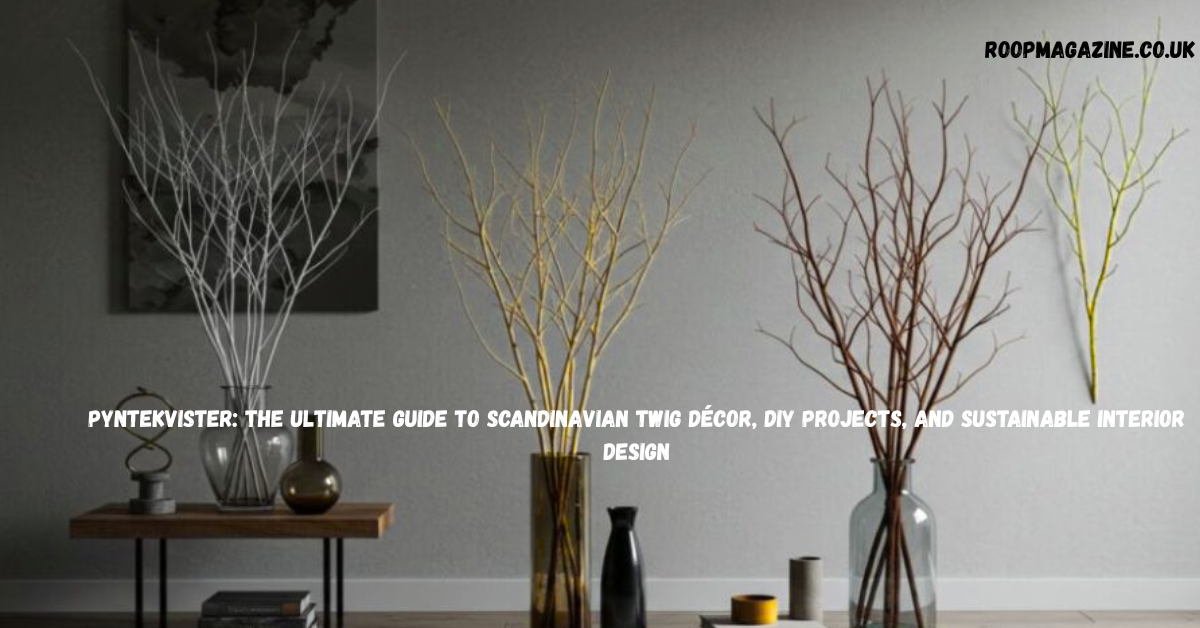
If you’ve ever stepped into a Scandinavian‑inspired space and noticed elegant arrangements of twigs and branches that instantly feel calming and timeless, you’ve encountered the magic of pyntekvister. These deceptively simple elements are not just decorative—they are a bridge between nature, culture, and conscious design. In this definitive guide, we’ll explore everything you need to know about pyntekvister, from its origins and symbolism to modern applications, DIY techniques, sustainability benefits, and design strategies for every home.
Whether you’re a décor enthusiast, interior designer, or homeowner looking to refresh your space with something meaningful, this guide will help you harness the full potential of pyntekvister.
What is Pyntekvister?
Pyntekvister is a Norwegian and Danish term that literally means “decorative twigs” or “ornamental branches.” The word is formed from pynte (to decorate) and kvister (twigs or branches). In Scandinavian interiors, these branches are placed in vases, arranged as centerpieces, or used as sculptural décor, embodying the values of minimalist beauty, nature‑inspired design, and seasonal mindfulness.
Unlike typical floral décor or artificial plants, pyntekvister celebrate organic forms and raw textures—from the smooth pale bark of birch branches to the graceful curves of willow stems. Their value lies not just in decoration but in the feeling they bring: calmness, harmony, and connection to the natural world.
Why Pyntekvister is Trending in Modern Homes
Today, pyntekvister is more than a Scandinavian tradition—it’s a global design trend. Here’s why:
Embracing Minimalism
Scandinavian design philosophy values simplicity and utility without unnecessary clutter. Pyntekvister’s clean lines and organic shapes complement this aesthetic, making them perfect focal pieces in minimalist settings.
Nature Indoors
A growing emphasis on biophilic design—bringing nature into living spaces—has made natural elements like twigs highly desirable. The global biophilic design market is projected to reach $3.14 billion by 2028, increasing at approximately 10.2% per year as people seek healthier indoor environments.
Sustainability
With rising ecological awareness, decorating with natural, biodegradable materials like branches aligns with sustainable living and slow design principles.
4. Cost‑Effective yet Stylish
Gathering branches from nature or local parks often costs nothing, yet it delivers a stylish, high‑end look that rivals costly décor accessories.
Origins of Pyntekvister in Scandinavian Homes
The tradition of using natural branches in the home isn’t new—it dates back centuries in Nordic culture. Long winters, limited daylight, and a close relationship with the surrounding landscape inspired people to bring elements of the forest indoors.
In rural Scandinavian homes, branches were often collected during seasonal transitions and displayed as symbolic reminders of nature’s cycles. Over time, these practices evolved into intentional decorative art that reflects both cultural heritage and aesthetic sophistication.
The word pyntekvister itself carries the depth of this tradition—decorative branches that symbolize not just beauty, but deliberate connection to nature’s rhythms.
The Symbolism of Twigs in Nordic Culture
In Scandinavia, branches are more than shapes in a vase—they’re symbols of seasons, life, and resilience:
- Birch branches represent renewal and youth, popular in spring and Easter celebrations.
- Willow stems symbolize flexibility and compassion, resonating with early spring growth.
- Pine and spruce convey strength and continuity, especially during long winter months.
Twigs have historically been used in seasonal festivals—from Easter on påskeris (birch twig displays) to midsummer garland ceremonies. Their presence in the home marks transitions and acknowledges the natural world even during months when greenery is scarce outdoors.
Materials and Composition of Pyntekvister
Popular Natural Branch Types
Pyntekvister arrangements typically use the following branches:
- Birch – pale bark, elegant, symbolizing spring and light
- Willow – flexible and flowing, ideal for dynamic forms
- Hazel – twisted sculptural shapes
- Dogwood – colorful stems for autumn and winter displays
- Pine and Spruce – evergreen texture for cold weather décor
Artificial and Treated Options
While natural branches are traditional, artificial or treated twigs are available for those who want longevity or specific colors. These can be painted matte, metallic, or pastel to match modern interiors.
Seasonal Enhancements
Decorators often add seasonal accents: fairy lights in winter, dried flowers in spring, ribbons during holidays, or pastel ornaments for festive displays.
Styles and Design Ideas for Pyntekvister
Pyntekvister is remarkably adaptable and can fit various design styles:
Traditional Scandinavian Rustic
A simple arrangement of bare birch or willow twigs in a ceramic vase enhances wooden floors and neutral walls—perfect for rustic or farmhouse interiors.
Modern Minimalism
A few slender branches in monochrome tones create an airy, elegant look in minimalist spaces, especially against white or neutral backdrops.
Seasonal Themes
- Spring – pastel accents and budding twigs evoke renewal.
- Summer – leafy branches and florals add life and color.
- Autumn – warm browns and dried elements compliment natural light.
- Winter & Christmas (Jul) – pine branches with lights and artisan ornaments reflect warmth and hope.
Unexpected Uses
- Texture walls or ceilings with suspended twigs
- Centerpieces for tables during gatherings
- Outdoor décor treated for weather resistance
How to Make Your Own Pyntekvister
Creating your own pyntekvister is both creative and therapeutic.
Step 1 – Collecting Twigs
Choose strong, flexible branches—birch or willow is popular for their shape and texture. If foraging outdoors, always gather responsibly and with permission when needed.
Step 2 – Cleaning and Preparing
Trim excess bark, remove dirt, and allow branches to dry completely. For a polished look, slice ends evenly or sand slightly for uniformity.
Step 3 – Add Decorations
Enhance the arrangement with ribbons, fairy lights, or seasonal ornaments—keeping in mind less is more.
Step 4 – Display
Use tall vases, weighted containers (like pebbles or marbles), or floral foam to anchor branches securely.
Where to Display Pyntekvister in Your Home
Pyntekvister can elevate spaces throughout your home:
- Living Room – as a dramatic focal point near windows or corners
- Dining Table – tall centerpieces without obstructing views
- Entryway – set the tone with inviting natural elements
- Workspaces – add calm texture without distraction
Strategically placed twigs can bring vertical interest and organic energy to otherwise plain spaces.
Benefits of Using Pyntekvister in Home Décor
Eco‑Friendly and Sustainable
Natural branches are biodegradable, compostable, and often free if collected responsibly.
Affordable
You don’t need expensive décor to make an impact. Simple twig arrangements can cost almost nothing.
Low Maintenance
Unlike fresh plants, they require no watering and minimal cleaning.
Versatile
They work with minimalist, rustic, modern, or boho design styles.
Psychological Benefits
Natural elements inside the home are linked to reduced stress and increased wellbeing, aligning with biophilic design benefits.
Pyntekvister in Interior Design Trends
Interior designers appreciate pyntekvister for its visual contrast, texture, and seasonal adaptability. Placed against smooth surfaces, twigs add tactile depth; arranged with intentional negative space, they create calm and focus.
In contemporary interiors, pyntekvister works with neutral palettes, soft lighting, and sustainable materials—a combination repeatedly favored in global décor movements like hygge, Japandi, and Wabi‑Sabi.
Sustainability and Environmental Impact
A key reason pyntekvister is rising in popularity is its alignment with sustainable values.
- Branches can be sourced locally or from garden pruning
- They can be reused or composted
- They avoid plastic décor waste
- They encourage a deeper connection to nature
This emphasis on sustainable practice resonates with eco‑conscious consumers worldwide.
Cost, Durability, and Value
Pyntekvister offers exceptional value:
- Natural branches – often free or low‑cost
- Artificial options – typically affordable and long‑lasting
- DIY custom pieces – create bespoke décor at minimal expense
Natural branches, when dried properly, can last for seasons or even years, making them both beautiful and durable décor choices.
Where to Buy or Customize Pyntekvister
Online Retailers
Platforms like Etsy and Nordic décor shops offer curated pyntekvister collections.
Local Craft Fairs & Florists
Seasonal markets often sell handmade arrangements and locally sourced branches.
DIY
Gathering your own materials gives you creative control and a deeper connection to your décor.
Common Mistakes to Avoid
Creating pyntekvister might seem simple, but a few pitfalls can weaken the impact:
- Overcrowding – Too many branches can clutter rather than enhance.
- Scale Mismatch – A branch too big for a small vase or a tiny twig in a large space won’t balance.
- Poor Anchoring – Ensure bases are weighted so twigs don’t tip over.
- Excessive Decoration – Keep embellishments minimal to preserve organic elegance.
Conclusion
Pyntekvister is more than a décor trend—it’s a timeless expression of nature, simplicity, and mindful living. Rooted in Scandinavian cultural heritage yet adaptable to modern interiors worldwide, this humble arrangement of twigs carries an aesthetic depth few other décor elements can match.
By embracing pyntekvister, you invite calm texture, seasonal symbolism, and sustainable design into your home. Whether used as a focal point, a subtle accent, or a centerpiece for gatherings, these decorative branches tell a story of nature, culture, and design that resonates across styles and generations.
So the next time you take a walk outdoors, keep an eye out for interesting branches—you might be holding the centerpiece for your next unforgettable décor statement.