
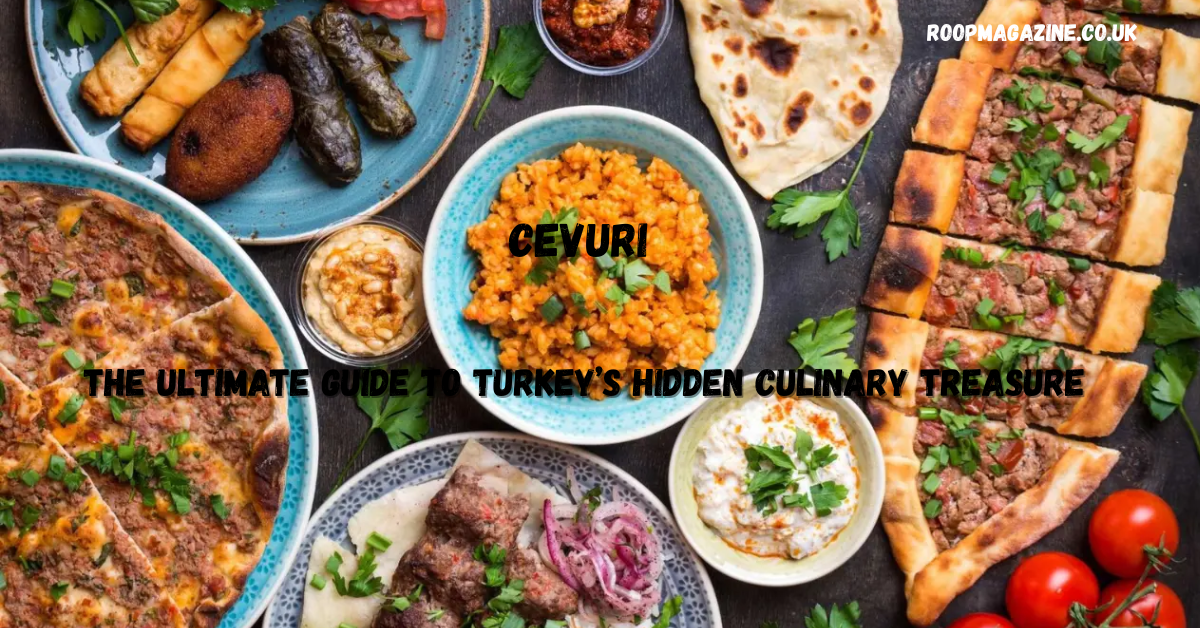
Turkish cuisine is world‑renowned for its rich flavors, aromatic spices, fresh ingredients, and centuries‑old culinary traditions. Yet hidden within this vibrant food culture lies an element that many outside Turkey have never heard of: Cevurı. Whether understood as a traditional roasting technique that deepens flavor and boosts nutrition, or a rustic Anatolian dish born from village kitchens, Cevurı embodies the heart and soul of mindful Turkish cooking.
This guide explores every facet of Cevurı — its origins and meaning, culinary applications, historical significance, health benefits, modern interpretations, and how you can make and enjoy it at home.
What is Cevurı? Understanding the Term and Technique
At its core, Cevurı has two primary meanings that are both culturally rooted and contextually important:
Linguistic Origins and Regional Variations
The word Cevurı is derived from the Turkish verb “cevirmek”, meaning to turn, roast, or spin — a reference to the practice of roasting or toasting ingredients evenly over heat. In everyday Turkish cooking, this technique has been used for generations to coax flavor and aroma out of nuts, seeds, and spices.
However, in certain rural dialects, especially in parts of Anatolia, “Cevurı” also refers to a humble, slow‑cooked stew made with vegetables, grains, and whatever the cook has on hand. In these regions, the word carries a cultural depth — signaling resourcefulness, tradition, and community.
Roasting Technique vs. Traditional Stew
Understanding Cevurı requires recognizing both interpretations:
- Cevurı as a technique: Lightly roasting nuts, seeds, or spices to enhance natural oils, deepen flavor, and unlock nutritional value.
- Cevurı as a dish: A rustic Anatolian stew — simple, nutrient‑dense, and rooted in village kitchens where frugality and flavor meet.
Both meanings reflect the broader philosophy of Turkish cooking: transforming simple, wholesome ingredients into deeply flavorful, nourishing food.
Historical and Cultural Significance of Cevurı
Ottoman Culinary Heritage
Turkish cuisine evolved over centuries under the Ottoman Empire, blending Central Asian roots with influences from the Mediterranean, Middle East, and Balkans. Within this rich tapestry of food culture, roasting — the precursor to Cevurı technique — played a significant role in maximizing flavor from limited resources.
In Topkapı Palace kitchens, chefs employed roasting to:
- Enhance the aroma of spices,
- Preserve nuts and seeds for longer periods,
- Strengthen flavors without relying on imported condiments.
This technique was both practical and elegant — aligning with Ottoman principles of maximizing taste through skill rather than excess.
Rural Anatolian Traditions and Village Life
In rural Anatolia — stretching from the mountainous east to the fertile plains of the west — Cevurı evolved in a more humble direction. Villagers roasted grains, seeds, and nuts over open flames or hearths, and in some areas, the term came to signify the beloved everyday stew made with staples like lentils, bulgur, onions, and tomatoes.
Here, Cevurı was more than food — it was:
- A symbol of sustenance during winter months,
- A shared meal at family gatherings,
- A comfort food during religious observances like Ramadan suhoor,
- A gesture of community and generosity during weddings or harvest celebrations.
Family, Community, and Festive Practices
Across Turkish households, especially in small towns, you’ll find elders speaking about Cevurı with fondness — a taste of childhood, a reminder of home, or a connection to ancestors. In many areas, the word evokes images of clay pots simmering over wood fires and neighbors visiting to share in the bounty of a shared meal.
Cevurı in Turkish Cuisine: From Nuts to Stews
Turkish cuisine is vast, but Cevurı — in both meanings — makes appearances in many beloved dishes.
Popular Dishes Featuring Cevurı
Desserts: Baklava, Şekerpare, Revani
Roasted nuts are central to many Turkish sweets:
- Baklava uses layers of filo pastry with roasted pistachios or walnuts — the roasting intensifies aroma.
- Şekerpare, a syrup‑soaked semolina cookie, is often garnished with roasted nuts.
- Revani, a semolina cake, benefits from roasted nuts sprinkled on top for crunchy contrast.
Roasting these nuts — the essence of Cevurı technique — enhances natural oils and deepens flavor without sugar or additives.
Pilafs and Main Dishes: Et Yahnisi, Rice Pilaf
In savory cooking:
- Rice pilaf (pilav) often includes toasted nuts or seeds, adding a nutty aroma and texture.
- Et Yahnisi, a rich meat stew, benefits from roasted spices (Cevurı baharat) that elevate the stew’s complexity.
Salads and Meze Platters
Sprinkling roasted seeds (sunflower, pine, almonds) on salads or meze adds crunch, nutrition, and vibrant flavor — a perfect way to infuse the spirit of Cevurı into lighter dishes.
Traditional Rustic Stew: Ingredients and Preparation
In its dish interpretation, Cevurı is a simple yet hearty stew, traditionally made with pantry staples:
Common Ingredients
- Onions and garlic
- Tomatoes and peppers
- Olive oil or animal fat
- Lentils or bulgur
- Herbs: mint, oregano, thyme
Cooking Style
- Ingredients are cooked slowly in a clay pot or heavy skillet.
- Vegetables are simmered until tender and melded together.
- Bread cubes or bulgur add substance and soak up rich flavors.
This rustic stew is not only filling but also perfectly balanced — combining complex carbohydrates, healthy fats, fiber, and antioxidants.
Modern Urban Interpretations in Restaurants
In recent years, Cevurı has found its way into modern Turkish restaurants, often reimagined as:
- Anadolu Karışık Tava (Anatolian mixed skillet),
- Deconstructed appetizers,
- Side dishes garnished with heirloom vegetables,
- Pairings with artisan breads or fermented yogurts.
Chefs are embracing its heritage while updating the presentation for contemporary diners.
Health and Nutritional Benefits of Cevurı
Turkish cuisine is often aligned with the Mediterranean diet, recognized globally for health benefits. Cevurı — both as roasted ingredients and as a wholesome stew — aligns beautifully with this nutritional framework.
Heart Health and Healthy Fats
Roasted nuts and seeds are rich in:
- Monounsaturated fats (olive oil, almonds, walnuts)
- Omega‑3 and Omega‑6 fatty acids
These fats support cardiovascular health by:
- Lowering LDL (bad) cholesterol
- Increasing HDL (good) cholesterol
- Supporting healthy blood lipid levels
Research shows diets rich in nuts can reduce risk of heart disease by 25–30% when eaten regularly as part of a balanced diet.
Brain Function and Cognitive Support
Seeds like walnuts and flaxseed — common in Cevurı mixes — are high in omega‑3 fats, which:
- Support brain structure and function,
- Improve cognition and memory,
- Reduce inflammation linked to neurodegenerative conditions.
Including roasted seeds in meals can be an easy, tasty way to nourish the brain.
Digestive Benefits and Anti‑Inflammatory Properties
The traditional Cevurı stew often features:
- Lentils and bulgur (high in fiber),
- Onions and garlic (prebiotic compounds),
- Tomatoes and peppers (antioxidants like lycopene and vitamin C).
Together, these support:
- Healthy digestion,
- Reduced inflammation,
- Stable blood sugar levels.
Weight Management and Sustained Energy
Nut and seed mixes are nutrient‑dense and satisfying. Combined with whole grains and vegetables in stew form, Cevurı meals provide:
- Complex carbohydrates,
- Healthy fats,
- Fiber,
- Plant‑based protein,
All of which contribute to long‑lasting fullness and balanced energy levels — ideal for a health‑conscious lifestyle.
How to Make and Incorporate Cevurı at Home
Whether you want to master the roasting technique or cook the traditional stew, here’s a step‑by‑step guide.
Roasting Nuts, Seeds, and Spices
Ingredients
- Almonds, walnuts, pistachios, or pine nuts
- Sunflower or pumpkin seeds
- Whole spices like cumin, coriander, paprika
Method
- Heat a dry skillet over medium heat.
- Add nuts or seeds; stir constantly.
- Roast until golden and fragrant (5–8 minutes).
- Add spices last and toast briefly (1–2 minutes).
- Cool and store in an airtight container.
Tips
- Avoid burning: burnt nuts lose nutrients and develop bitterness.
- Roast in small batches for even heat distribution.
Preparing Traditional Cevurı Stew
Ingredients
- 2 tbsp olive oil
- 1 onion, diced
- 2 cloves garlic, minced
- 2 tomatoes, chopped
- 1 green pepper, chopped
- ½ cup cooked lentils or bulgur
- 1 tsp dried mint
- Salt and pepper to taste
Directions
- Heat oil over medium heat.
- Sauté onion and garlic until translucent.
- Add tomatoes and peppers; cook until soft.
- Stir in lentils/bulgur and herbs.
- Simmer 15–20 minutes, adding water if necessary.
- Serve with fresh flatbread or yogurt.
Meal Planning Tips for Everyday Use
- Breakfast: Sprinkle roasted seeds on yogurt or oatmeal.
- Lunch: Add nut mix to salads or pilafs.
- Dinner: Serve Cevurı stew with whole‑grain bread.
- Snacks: Handful of roasted nuts for sustained energy.
Creative Modern Recipes and Fusion Ideas
- Cevurı Granola: Oats, roasted seeds, dried fruit, honey.
- Cevurı‑infused Hummus: Add roasted spices and seeds to traditional hummus.
- Roasted Seed Crusted Fish: Lightly coat fish with crushed roasted seeds.
Tips and Best Practices for Using Cevurı Safely
- Portion control: Nuts and seeds are nutritious but calorie‑dense.
- Avoid burning: Burnt roasting produces acrylamide — a harmful compound.
- Proper storage: Store roasted ingredients in airtight containers to preserve flavor and prevent oxidation.
- Balance meals: Pair roasted elements with vegetables and legumes for nutritional completeness.
Fun Facts and Lesser‑Known Insights About Cevurı
- In some Kurdish dialects, Cevurı is pronounced “javıra,” meaning “whatever’s in the house stew.”
- Traditional Cevurı may have been cooked over wood or even dung fires in remote regions — imparting a unique smoky flavor.
- In village celebrations, neighbors would contribute ingredients and cook Cevurı together, making it a true community meal.
Conclusion: Embracing the Hidden Strength of Cevurı
Cevurı — whether understood as a flavor‑enhancing roasting technique or a beloved Anatolian stew — represents the essence of Turkish cooking: simplicity, mindfulness, community, and nourishment.
By exploring its linguistic roots, culinary applications, cultural significance, and health benefits, we not only honor an ancient tradition but also discover fresh ways to enrich our modern meals.
From roasted nuts and spices to rustic slow‑cooked stew, Cevurı brings together flavor, nutrition, and heritage in every bite.
FAQs
Q. Is Cevurı the same as Çeviri?
No. Çeviri means “translation” in Turkish. Cevurı refers to roasting technique or a traditional dish in certain regions.
Q. Where can I taste Cevurı in Turkey?
Look for local eateries in Southeastern Turkey or in home‑style restaurants (ev yemekleri) in cities like Istanbul and Ankara.
Q. Is Cevurı vegetarian or vegan?
Yes — in its traditional stew form, Cevurı is naturally vegan. Meat can be added but is optional.
Q. How can I make Cevurı at home?
Use the roasting method for nuts/seeds or follow the simple stew recipe above for a wholesome meal.
Q. Can Cevurı be used in modern recipes?
Absolutely! Roasted seeds and spices elevate everything from salads and hummus to granola and main dishes.