
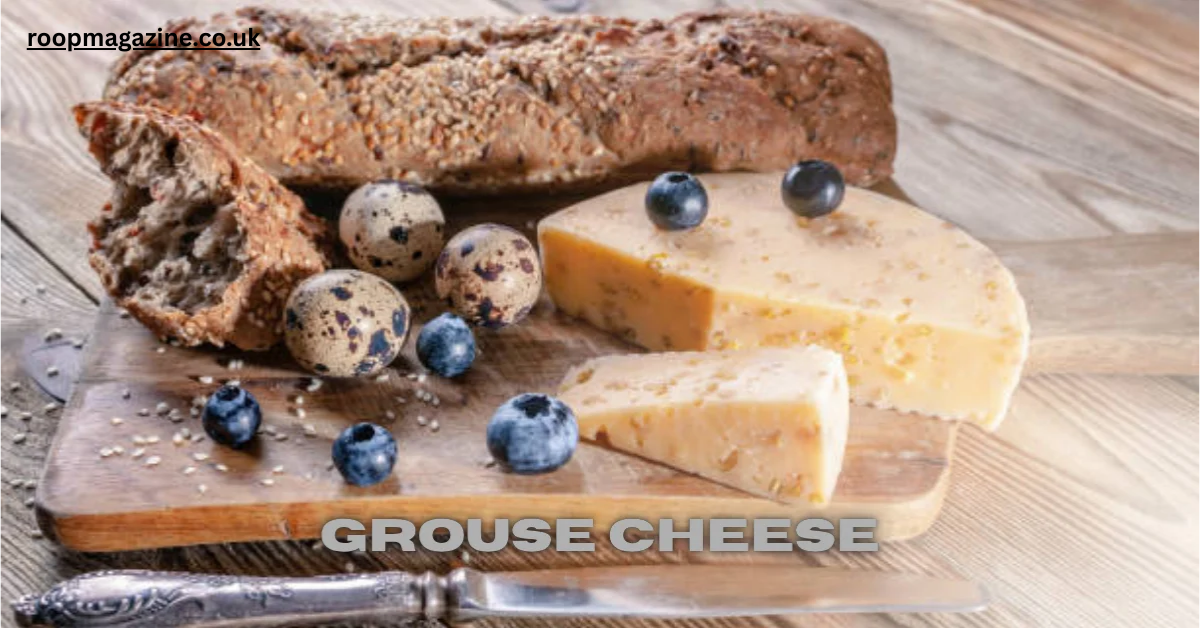
If you love artisanal food, heritage ingredients, and rare culinary experiences, grouse cheese is a name worth knowing. Despite its intriguing title, this cheese has nothing to do with the game bird itself — instead, it represents a unique category of artisanal cheese deeply connected to the rugged landscapes where grouse thrive.
Defined by deep, earthy flavor profiles, the tradition of grouse cheese celebrates terroir, craftsmanship, and sustainable farming. This article explores every aspect of grouse cheese — from its origins and production to taste, pairings, sustainability, and how it’s gaining global recognition among food lovers.
What Is Grouse Cheese?
Grouse cheese is a niche artisanal cheese traditionally made in highland regions, particularly in parts of northern Europe such as the Scottish Highlands, French mountain terrain, and Central European uplands. Although the word grouse evokes the grassy moorlands where the game bird lives, the cheese itself contains no grouse meat or bird ingredients — it’s named instead for the environment and cultural context where it developed.
This semi‑hard cheese is usually crafted from raw milk — most often from sheep, goats, or a blend — that reflects the herbs and wild grasses grazing animals consume. The final cheese offers a complexity that reflects those landscapes, with herbal, nutty, and sometimes smoky undertones that make it distinct from mass‑produced dairy cheeses.
Origins and History
The Hidden Beginnings: From Highland Folklore to Artisanal Craft
Rather than originating in a single village or meadow, grouse cheese emerged independently across highland dairy traditions in northern Europe. Communities shared similar environmental conditions — rocky soil, wild vegetation, and a necessity for preserving rich milk through aging — which collectively fostered this particular style of cheese.
Key regions historically associated with grouse cheese include:
- The Scottish Highlands
- The Vosges Mountains of France
- Trentino‑Alto Adige in northern Italy
- Rural Slovenia and parts of Austria
These remote regions lacked modern refrigeration and easy access to distant markets. As a result, farmers relied on age‑old methods — raw milk, natural rennet, and cool underground cellars — to transform milk into cheese that could be stored and enjoyed across seasons.
Cultural Importance and Hunting Traditions
Although grouse cheese itself doesn’t feature grouse meat, the name reflects culinary traditions where robust cheeses were often served alongside game — particularly during hunting seasons. In Scotland and parts of France, strong cheeses were paired with roasted game birds like grouse to balance intense, iron‑rich flavors.
Over time, the cheese evolved not merely as a companion for game but as its own celebrated specialty, especially within small‑batch farming and artisan circles.
Production and Cheesemaking Techniques
Fresh Milking and Raw Milk Quality
Authentic grouse cheese begins at the very first step — milking. Herds of sheep, goats, or mixed dairy animals graze on biodiverse, wild‑herb‑rich pastures that shape the flavor of the milk itself. Traditional cheesemakers collect raw milk early in the morning and process it immediately, preserving the natural microbial cultures that contribute to depth and complexity.
Traditional Curdling Techniques
Instead of relying on industrial rennet, many artisan producers use natural coagulants — such as wild nettle or cardoon thistle — to initiate curdling. This process can take several hours and varies by environmental temperature, influencing the final texture and taste.
Pressing, Salting, and Rind Development
Once curds form, they are hand‑cut and transferred to molds lined with cloth. Pressing can be as simple as using weights like stones in traditional production, and salting may occur through brine or dry rubs. Some producers even rub the cheese with crushed juniper, yarrow, or peat ash to enhance flavor and promote unique rind development.
Aging in Caves and Cellars
Cheese aging is where grouse cheese transforms. Wheels rest in cool, damp caves or cellars for anywhere from three months up to 18+ months, developing a natural rind and concentrated flavors. Younger wheels tend to be supple and meltable, while older ones become dense and crumbly.
Because each batch is tied to seasonal variations in pasture conditions, no two wheels are ever exactly alike — adding to the allure of this artisan product.
Flavor Profile and Culinary Pairings
Tasting Notes and Textural Complexity
Describing grouse cheese often invites poetic language. Its taste reflects:
- Earthy herbal notes from wild grasses and herbs
- Umami depth from raw‑milk microbial cultures
- Nutty or resinous elements reminiscent of alpine cheeses
- Subtle smoke or mineral sharpness in older wheels
Young wheels are elastic and creamy, ideal for melting into dishes. Aged wheels deepen in flavor and texture, becoming wonderfully crumbly with concentrated, savory complexity.
Perfect Pairings
The robust profile of grouse cheese makes it versatile at the table. Popular pairings include:
- Strong red wines (like Cabernet Sauvignon)
- Herbal liqueurs and stouts
- Rustic breads and dried fruits
- Roasted wild mushrooms or root vegetables
- Game dishes and artisanal charcuterie
Chefs also melt grouse cheese into gratins, risottos, or modern compositions like cheese foams and fermented crumbles, honoring both tradition and innovation.
Sustainability and Ethical Sourcing
Grazing and Biodiversity
Grouse cheese producers typically operate on small farms where animals roam freely on varied vegetation — from herbaceous moorland grasses to wild herbs and lichen. This biodiverse diet not only enhances milk quality but also supports healthy ecosystems.
Animal Welfare and Organic Practices
Many traditional producers follow organic or regenerative principles:
- Free‑roaming herds
- Seasonal grazing rotations
- Minimal or no antibiotic use
These practices align with growing consumer demand for ethical, transparent farming.
Environmental Pressures
Despite its artisanal appeal, grouse cheese production faces challenges from climate change, pasture degradation, and regulatory pressures on raw milk cheese. Preserving grazing lands, promoting sustainable farming, and protecting indigenous cheesemaking knowledge are essential for this tradition to endure.
Challenges and Myths
Myth: Grouse Cheese Contains Bird Ingredients
A common misunderstanding is that grouse cheese contains meat or game. In fact, it never contains grouse meat — the name refers purely to the habitat and inspiration behind the cheese’s flavor and environment.
Limited Availability and Seasonal Production
Because grouse cheese is produced in small quantities — often fewer than 500 wheels per season — it can be hard to find outside specialist markets. Seasonal production cycles and local demand often exceed supply.
Raw Milk Regulations
In many countries, raw milk cheese faces regulatory hurdles due to safety concerns. While traditional producers maintain careful quality control, legal restrictions can limit export and commercial availability.
Making Grouse Cheese at Home (Experimental Guide)
While creating an authentic professionally aged grouse cheese at home is challenging, you can experiment with flavor‑infused cheese inspired by traditional profiles.
Step 1: Choose a base semi‑hard cheese like cheddar or young alpine style.
Step 2: Prepare a herbal reduction (e.g., wild thyme, juniper berries).
Step 3: Brush the cheese with the reduction daily while storing in a cool place.
Step 4: Age loosely wrapped for 10–14 days, then sample with rustic bread.
Note: This method won’t replicate traditional cellar aging but introduces herbaceous earthiness influenced by highland pastures.
Popular Brands and Where to Buy
Finding authentic grouse cheese often requires visiting specialty shops or direct producer sources. Notable examples include British Isles artisan makers and northern European producers known for raw milk traditions.
Look for grouse cheese at:
- Boutique cheese shops
- Farmers’ markets near production regions
- Online gourmet retailers specializing in rare cheeses
Due to its rarity, this cheese often commands premium pricing.
Serving and Presentation
Grouse cheese can shine in many settings:
- Rustic cheese boards with charcuterie and preserves
- Fine dining plates with modernist touches
- Melted into hearty autumn dishes
- Shaved over salads or grain bowls
Let it sit at room temperature before serving to unlock its full aromatic character.
Cultural and Culinary Significance
Beyond taste, grouse cheese symbolizes connection to place, heritage, and tradition. For rural communities, it represents centuries‑old cheesemaking wisdom. For contemporary chefs, it evokes authenticity in a world of industrial dairy.
In many regions, grouse cheese is associated with seasonal celebrations, hunting festivals, and meals that honor land‑based foodways.
The Future of Grouse Cheese
Despite production challenges, grouse cheese is gaining attention in global gourmet circles. Food tourism, interest in sustainable agriculture, and artisanal food movements have helped it reach menus in cities like London, Berlin, and San Francisco.
Preserving traditional production while adapting to modern food systems will be key to its future.
FAQs
1. What Is Grouse Cheese Made Of?
Grouse cheese is made from raw milk (sheep, goat, or cow) from animals grazing in wild, herb‑rich pastures. It contains no grouse bird meat.
2. Is Grouse Cheese Vegetarian?
Most traditional versions are vegetarian if natural or vegetable rennet is used — but always check with the producer.
3. How Should It Be Stored?
Wrap in cheese paper and store in a cool, ventilated place. Avoid plastic, which can trap moisture.
4. What Does It Taste Like?
Expect earthy, herbal, nutty flavors with umami depth. Aged wheels can develop subtle smokiness.
5. Where Can You Buy Grouse Cheese?
Specialty cheese shops, farmers’ markets, or online gourmet retailers are the best places to look.
6. Why Is It Expensive?
Limited small‑batch production, terroir‑driven complexity, and artisanal labor contribute to premium pricing.
Final Thoughts
Grouse cheese is more than a rare dairy product — it’s a story of land, tradition, and culinary evolution. Its rich flavors, artisanal roots, and association with sustainable farming make it a treasure in the world of gourmet foods. Whether you’re a cheese enthusiast, a chef, or someone who loves exploring new flavors, grouse cheese offers a truly unique tasting experience.