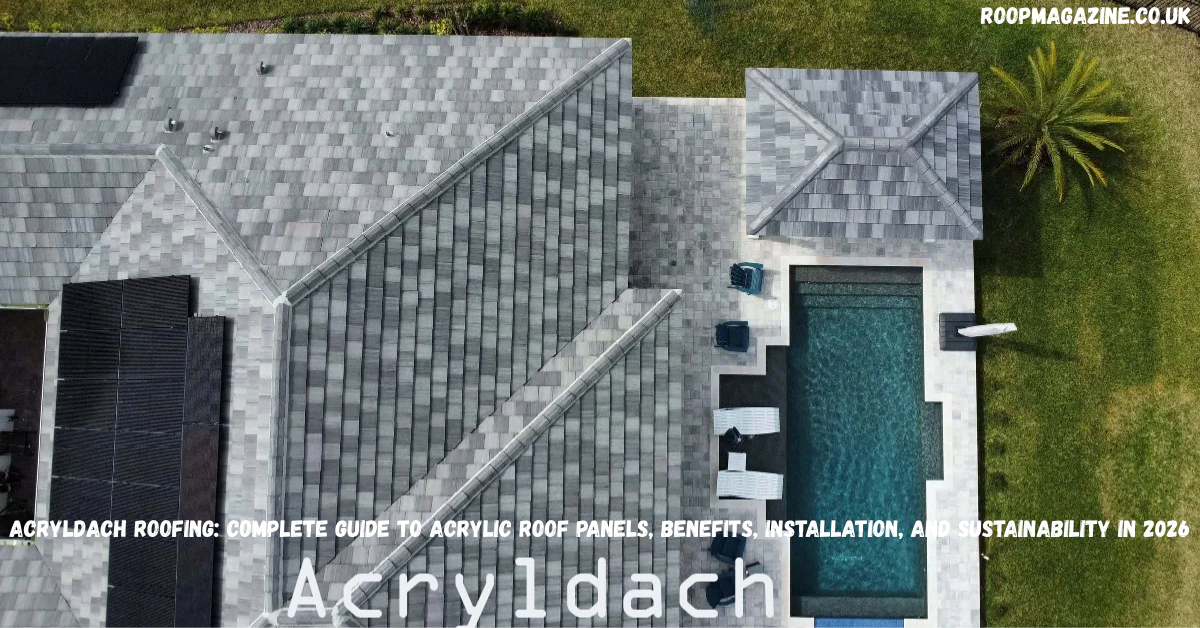
Acryldach — derived from “acryl” (acrylic) and “dach” (roof in German) — refers to roofing systems built with acrylic (PMMA) panels or sheets. These lightweight, transparent roofing materials offer high clarity, excellent weather resistance, and superior durability compared with traditional roofing alternatives. Acrylic roofing combines the look and light transmission of glass with the practical advantages of plastic, making it a popular modern roofing choice in residential, commercial, industrial, and public infrastructure applications.
In this guide, we’ll explore what Acryldach is, how it works, its advantages and limitations, installation process, real‑world applications, cost considerations, environmental impact, and future trends — helping you make well‑informed decisions about this innovative roofing solution.
What Is Acryldach? An Introduction
Acryldach roofing systems are constructed using acrylic sheets or panels, typically made from polymethyl methacrylate (PMMA) — a synthetic thermoplastic known for its optical clarity, impact resistance, and UV stability. These panels are manufactured in various forms (flat, corrugated, multiwall) and are engineered to let natural light pass through while providing protection from rain, UV radiation, and other environmental factors.
Key performance attributes include:
- Natural light transmission of up to 92%, nearly equivalent to glass.
- UV resistance, minimizing yellowing and degradation over time.
- Lightweight construction, roughly 50% lighter than glass, reducing structural load.
- Durability and weather performance across climates.
Because of these qualities, Acryldach is often chosen for skylights, patios, greenhouses, carports, terraces, commercial atriums, industrial daylighting, and public walkways.
Material and Technology Behind Acryldach
What Acrylic (PMMA) Is and Why It Matters
Acrylic, technically called polymethyl methacrylate (PMMA), is a thermoplastic material engineered for strength, transparency, and weather resilience. It serves as the core material for Acryldach panels and roofing sheets.
PMMA offers several critical advantages:
- Exceptional optical clarity, enabling up to ~92% light transmission.
- UV resistance, especially with protective coatings that slow yellowing.
- Impact resistance, around 10–20× stronger than glass.
- Temperature tolerance from cold to hot climates without cracking.
Types of Acryldach Panels and Coatings
Modern Acryldach systems include:
- Flat acrylic panels – simple sheets for skylights and patio covers.
- Corrugated panels – offer structural rigidity for larger spans.
- Multiwall (twinwall) panels – internal air chambers improve thermal insulation.
- Liquid acrylic roofing coatings – seamless waterproof membranes for flat or gently sloped roofs.
Coatings and Surface Enhancements
Acrylic panels often receive UV‑stabilizers, anti‑scratch, anti‑fog, and heat‑reflective coatings to improve longevity, reduce surface wear, and enhance energy performance. These treatments help minimize fading, reduce heat gain, and lower long-term maintenance.
Applications of Acryldach Roofing
Acryldach’s versatility makes it suitable across multiple sectors.
Residential Uses
- Skylights and sunrooms – flood interiors with natural daylight.
- Patio, terrace, and pergola roofs – provide weather protection while maintaining brightness.
- Carports – shield vehicles without blocking light.
Commercial and Public Spaces
- Office atriums and malls – create open, illuminated spaces.
- Restaurant outdoor seating areas – modern roofing that enhances ambiance.
- Public shelters and walkways – durable, weather‑resistant overhead coverage.
Industrial and Agricultural
- Daylighting systems in factories and warehouses, reducing reliance on artificial lighting.
- Greenhouses and nurseries – high light transmission helps plant growth while filtering harmful UV rays.
Special Projects
Custom uses include curved roofs, domes, display areas, and architectural features where natural light and aesthetics are priorities.
Installation Process: Step‑by‑Step
Installing Acryldach requires careful planning, precise handling, and attention to material behavior (like thermal expansion). Here’s a breakdown of the critical steps:
1. Planning & Measurements
Accurate measurement of roof area and panel requirements ensures efficient installation. Plan for supporting structures and environmental loads (snow, wind) as needed.
2. Support Structure Preparation
Strong frames are typically constructed from aluminum, powder‑coated steel, or treated wood to hold acrylic panels securely.
3. Cutting & Drilling
Acrylic sheets are cut using fine-tooth saws designed for plastics. Pre-drilled holes reduce cracking risk. Allow slight extra space for thermal expansion and contraction.
4. Mounting & Sealing
Panels are fixed using corrosion-resistant screws with rubber washers to prevent leaks. Sealing sealants (silicone or EPDM) ensure waterproof joints.
5. Finishing Touches
Edges are smoothed and trimmed for a clean look, then protective films are removed post-installation.
While DIY installation is possible for small roofs, professional installation is recommended for larger or complex projects to ensure durability and compliance with building standards.
Comparison: Acryldach vs. Other Roofing Materials
Acryldach often shines against conventional options:
Acryldach vs. Glass Roofing
- Weight: Acryldach is ~50% lighter.
- Impact Resistance: Acrylic is far more impact-resistant.
- UV Protection: Special coatings slow yellowing.
Acryldach vs. Polycarbonate
- Clarity: Acrylic typically provides better optical clarity.
- Impact Strength: Polycarbonate may offer higher impact resistance in extreme conditions.
- Yellowing Resistance: Acrylic with UV stabilizers performs well over time.
Acryldach vs. Metal and Asphalt
- Natural Light: Acrylic lets in daylight; metal and asphalt do not.
- Weight: Acrylic is lighter than most metal options.
- Maintenance: Acrylic resists rust and rot better than metal.
Advantages of Using Acryldach
Natural Daylight & Energy Savings
High light transmission reduces reliance on artificial lighting, lowering electricity use and enhancing comfort.
Lightweight & Easy Handling
Low weight simplifies transporting and installing panels, reducing labor costs and structural requirements.
Durability & Weather Resistance
Acrylic panels withstand rain, snow, hail, and temperature shifts without cracking or corroding.
UV Stability
Modern UV-stabilized acrylic slows yellowing and helps protect spaces below from harmful solar radiation.
Low Maintenance
Periodic cleaning with mild soap and water is often enough to maintain clarity and performance.
Design Flexibility & Aesthetics
Available in clear, tinted, or frosted finishes and customizable sizes, acrylic roofing supports many architectural visions.
Limitations & Challenges
Scratch Sensitivity
Acrylic surfaces can scratch more easily than harder materials like glass or metal, requiring careful handling.
Thermal Expansion
Acrylic expands and contracts with temperature fluctuations, which must be accommodated in installation design.
Impact Resistance vs. Polycarbonate
While stronger than glass, acrylic doesn’t match the extreme impact strength of polycarbonate.
Cost Considerations
Premium acrylic panels can have higher upfront costs than some basic roofing materials, but this is often offset by performance and longevity benefits.
Maintenance, Longevity & Repairs
Cleaning
Use mild soap, water, and soft cloths; avoid abrasive cleaners that may scratch the surface.
Routine Inspection
Check joints, seals, and fasteners periodically to prevent leaks and structural issues.
Repairs
Minor scratches can be polished; small cracks may be sealed with compatible adhesive. Severely damaged panels require replacement.
Lifespan
With proper installation and care, high-quality Acryldach roofs typically last 15–30 years — sometimes longer with UV coatings and professional upkeep.
Environmental Impact & Sustainability
Acryldach supports greener construction practices:
- Energy Efficiency – Natural daylight reduces lighting energy.
- Recyclability – Acrylic materials are generally recyclable.
- Long Service Life – Durability reduces waste from frequent roof replacements.
These qualities make Acryldach compatible with green building standards like LEED and BREEAM, where daylighting and longevity are valued.
Cost Factors and Market Overview
The price of Acryldach roofing depends on:
- Panel thickness and quality
- Coatings and finish options
- Roof area and complexity
- Installation labor costs
Estimated price ranges in 2025:
- Flat acrylic sheets: $10–$20 per m²
- Corrugated sheets: $30–$50 per m²
- Roof domes/skylights: $150–$500
- Installation costs: $5–$20 per m² depending on region.
Despite slightly higher upfront costs compared to basic materials, Acryldach’s longevity, energy savings, and aesthetic value often yield a strong return on investment over its lifespan.
Real-World Case Studies and Examples
Residential Skylights & Sunrooms
Homes equipped with Acryldach skylights report lower daytime lighting costs and enhanced indoor ambiance.
Greenhouse Roofing
Growers benefit from balanced light diffusion and controlled heat, leading to healthier plants and extended growing seasons.
Public Infrastructure
Acryldach roofing creates bright, protected walkways, bus shelters, and stadium covers that withstand years of use with minimal maintenance.
Common Myths and Misconceptions
“Acryldach is just weak plastic”
In reality, PMMA is engineered plastic with high optical clarity and weather resistance, and it is used in aircraft windows and architectural glazing.
“It yellows quickly in sun”
High-quality panels with UV stabilizers retain clarity for decades.
“It can’t handle snow or cold climates”
Proper framing and panel choices allow Acryldach to perform well in diverse climates when installed correctly.
Future Trends in Acryldach Roofing
- Solar-integrated acrylic panels that generate electricity while providing daylight.
- Smart tinting technologies that adjust transparency based on sunlight.
- Modular roofing systems that enable faster installation with less waste.
- Bio-based PMMA options reducing reliance on petrochemicals.
These trends position Acryldach as a frontrunner in sustainable, efficient, and modern roofing design.
FAQs
Q: What is Acryldach?
A: Acryldach is a type of roofing system made from acrylic (PMMA) panels that combine transparency, strength, and weather resistance.
Q: How long does Acryldach roofing last?
A: With proper installation and maintenance, Acryldach roofs can last 15–30+ years.
Q: Is Acryldach better than polycarbonate?
A: For clarity and UV stability, acrylic often performs better; polycarbonate may offer higher impact resistance in extreme conditions.
Q: Can I install Acryldach myself?
A: DIY installation is possible for small structures like patios or pergolas, but professional installation is advised for larger or load-bearing roofs.
Q: Does Acryldach roofing save energy?
A: Yes — natural light reduces artificial lighting usage, and some coatings help with thermal performance.
Conclusion
Acryldach represents a modern, versatile, and energy-efficient roofing solution that blends the clarity of glass with the lightweight and durable performance of acrylic. Its applications span from residential skylights and patios to commercial skylights, industrial daylighting systems, greenhouses, and public infrastructure.
With high natural light transmission, UV resistance, low maintenance needs, and recyclability, Acryldach stands out among roofing materials — offering long-term value even when upfront costs are higher than basic roofing options. Continued innovation in panel technology and sustainability trends ensures Acryldach remains at the forefront of contemporary roofing design well into the future.
If you’re considering a roofing solution that enhances aesthetics, performance, and efficiency, Acryldach is a compelling, proven option that meets the needs of builders, architects, and homeowners alike.