
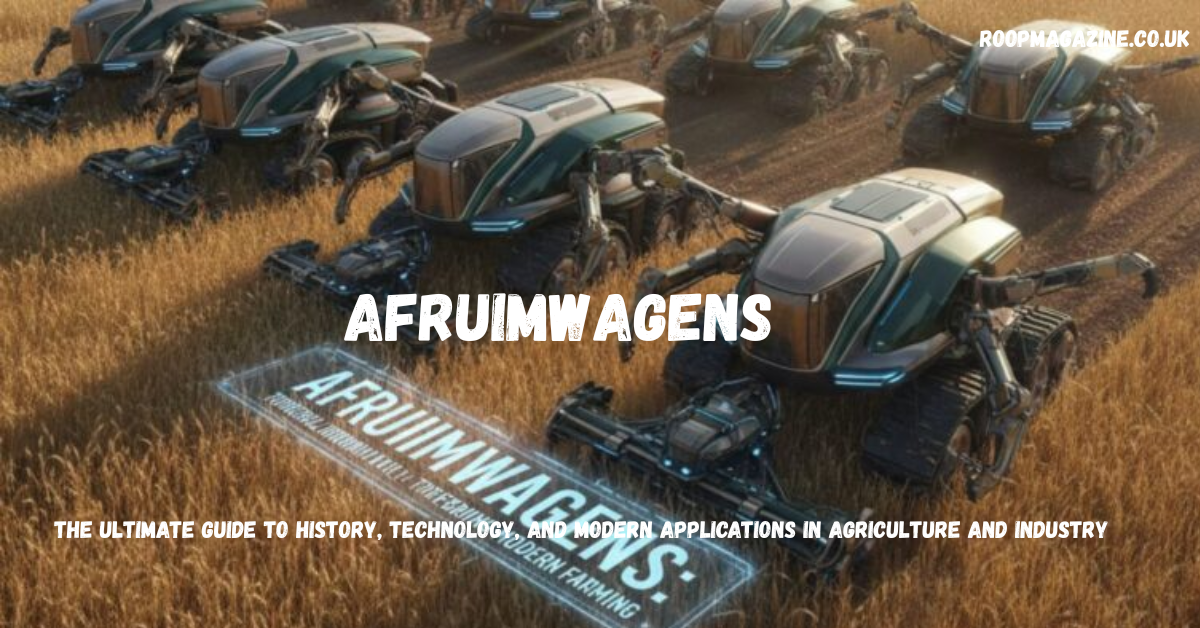
Afruimwagens — a name that may sound unfamiliar to many — represent a class of multipurpose transport vehicles that have evolved over centuries from simple hand‑built carts to modern high‑efficiency machines used in agriculture, construction, hospitality, waste management, logistics, and more.
Today’s afruimwagens aren’t limited to one industry. They serve as agricultural harvest haulers, construction transport wagons, hospitality clearing trolleys, and logistics and waste-handling vehicles — all while embracing modern technology to boost productivity, safety, sustainability, and efficiency.
Whether used to move crops from fields to storage, haul tools across a job site, or clear dishes in a busy restaurant, afruimwagens bridge the gap between labor-intensive manual work and powerful mechanized support. In this comprehensive guide, we’ll explore their history, evolution, mechanics, applications, benefits, real-world case studies, and future innovations.
History and Origins of Afruimwagens
The story of afruimwagens begins with humanity’s longstanding need to move goods efficiently. From ancient villages to medieval markets, simple carts and wagons were essential tools for transporting products, building materials, and harvests. Carts predate recorded history, with rudimentary wooden wagons used as early as the invention of the wheel around 3500 BCE.
Early Versions and Cultural Roots
In traditional farming and rural communities, afruimwagens initially took the form of wooden frames on wheels, often built by local artisans using locally available materials. Pulled by humans or draft animals like oxen and horses, these early carts made it possible to carry heavier loads over greater distances with less effort.
These early wagons were not merely tools; in many societies they became symbols of ingenuity, craftsmanship, and cooperation — neighbors shared or lent afruimwagens during harvest season, and decorated carts sometimes played a role in festivals and ceremonies.
Industrial and Mechanical Evolution
With the Industrial Revolution, materials like steel and iron began replacing wood as the primary frame for wagons. Wheels shifted from solid wood to spoked wooden designs with iron rims, significantly increasing maneuverability and durability. As mechanization spread in agriculture and industry, wagons adapted to new functions, incorporating reinforcing structures, suspension systems, and later, hydraulic mechanisms for easier unloading.
By the 20th century, afruimwagens evolved from passive carts into highly specialized agricultural trailers and utility wagons used in multiple sectors. Modern versions often use durable metals and engineered polymers and can be mounted on tractors or driven independently.
Traditional Uses of Afruimwagens in Different Cultures
Across historical societies worldwide, afruimwagens filled vital roles:
Agricultural Transport
Farmers relied on wagons to ferry harvested grains, vegetables, and other produce from fields to barns or marketplaces. Before mechanized engines, ox‑ or horse‑drawn wagons were essential for moving heavy harvests efficiently.
Community Life and Trade Routes
In many cultures, wagons were crucial for village trade, enabling farmers and artisans to bring goods to local markets. In some regions, beautifully crafted carts appearing in tribal ceremonies symbolized prosperity and cooperation.
Household and Communal Tasks
Beyond farming, wagons helped families and communities carry firewood, water, construction materials, and other daily necessities across uneven or muddy terrain. By reducing labor and increasing transport capacity, afruimwagens improved overall quality of life in rural settings.
How Afruimwagens Work: Technology and Mechanics
Today’s afruimwagens vary enormously in design, scope, and sophistication — but they all share a core purpose: efficient transport and handling of materials.
Basic Design Principles
At their core, afruimwagens feature:
- Reinforced Frames: Strong structural bodies made of steel or aluminum for durability.
- Robust Wheels: Pneumatic tires for outdoor use or smooth casters for indoor environments.
- Adjustable Handles and Ergonomics: Designed for operator comfort and reduced physical strain.
Advanced Mechanisms
Modern models may include:
- Hydraulic Unloading Systems: Mechanisms that allow load dumping with minimal manual effort.
- GPS and Telematics: Tracking and monitoring systems for route planning and fleet management.
- Electric Drive Units: Battery-powered propulsion for low-speed mobility without emissions.
Operators can choose configurations tailored to their tasks — from simple hand-pulled carts to tractor-towed agricultural wagons with hydraulic floors for even unloading.
Modern Advancements and Innovations
Afruimwagens today benefit from cutting-edge engineering and design improvements:
Materials and Manufacturing
- High-strength steel, aluminum alloys, and composite plastics improve durability while reducing weight.
- Corrosion-resistant coatings help vehicles endure weather exposure.
Technology Integration
- Hydraulics and Power Assistance: Hydraulic tip beds and power steering add efficiency for heavier loads.
- Telematics: GPS units and machine monitoring systems track location, usage, and maintenance needs.
- Electric and Hybrid Models: Battery-powered wagons reduce emissions and lower operating costs.
Advanced Smart Features
In industrial and logistics environments, some afruimwagens incorporate AI-assisted routing, load sensors, anti-tip safety systems, and fleet connectivity, enabling more efficient planning and safer operations.
Applications Across Industries
One of the most compelling strengths of afruimwagens is their versatility. Let’s examine how they’re used in various sectors.
Agriculture: Field Productivity and Harvesting
In farming, afruimwagens are used to:
- Transport harvested crops like corn, potatoes, hay, and silage.
- Carry seeds, fertilizers, and tools between field locations.
- Unload feed and organic materials precisely with minimal waste.
Modern farms increasingly use wagons with hydraulic unloading floors and high payload capacities, which significantly reduce manual labor and increase throughput during peak harvest seasons.
Construction: Material Transport and Site Cleanup
Construction sites benefit from large-capacity afruimwagens that:
- Move sand, gravel, cement bags, and tools over uneven terrain.
- Help clear debris after demolition or groundwork.
- Navigate tight or confined spaces where trucks are impractical.
Their flexibility and durability make them valuable even where standard construction equipment can’t go.
Hospitality and Service Industries
In hospitality — restaurants, hotels, and catering — smaller afruimwagens are used as clearing carts or bussing trolleys that:
- Move dishes and tableware efficiently between dining and kitchen areas.
- Organize trash and recyclables to maintain hygiene.
- Improve turnaround time during peak service periods.
These carts are often designed with multiple shelves, quiet wheels, and ergonomic grips to support fast, safe service without noise disruption.
Urban Logistics and Waste Management
In cities and towns, afruimwagens serve as:
- Waste collection carts for recyclables and household refuse.
- Compact transport units for deliveries in narrow streets or pedestrian zones.
Electric-powered models offer quiet operation and low emissions, ideal for neighborhoods or urban spaces where noise and pollution are concerns.
Benefits and Impact of Using Afruimwagens
The adoption of afruimwagens brings substantial benefits across sectors:
Boosting Productivity and Efficiency
Afruimwagens reduce the number of trips required to move materials, saving time and labor. For farmers, this efficiency directly translates into higher yields and better profitability.
Labor Cost Reduction
Automated features and higher load capacities mean fewer workers are needed for heavy lifting and transport tasks — reducing labor costs and physical strain.
Enhanced Safety
Industry-specific models include stability systems, ergonomic handles, and safety brakes that reduce workplace injuries.
Environmental Benefits and Sustainability
Electric and hybrid units reduce emissions, while efficient routing and load tracking cut fuel waste. This supports sustainability goals in agriculture, logistics, and municipal services alike.
Cost-Effectiveness Over Time
Though initial costs vary by model and technology, afruimwagens significantly reduce long-term operational expenses through lower fuel usage, fewer labor hours, and reduced maintenance requirements.
Case Studies: Real-World Success Stories
Large-Scale Farm Harvest Optimization
On a commercial grain farm, replacing manual grain shuttles with high-capacity hydraulic afruimwagens cut unloading time by 40% and reduced crop damage during transport by improved load control and secure containment.
Urban Waste Management Efficiency
A municipality introduced electric afruimwagens for neighborhood waste runs, resulting in 30% fewer collection cycles and a significant drop in noise complaints due to quiet electric drive systems.
Hospitality Service Enhancement
A large banquet facility improved table turn times by 25% by deploying multi-shelf clearing carts, cutting server fatigue and streamlining kitchen operations.
Future Prospects and Innovations
The future of afruimwagens is shaped by automation, sustainability, and smart connectivity:
Smart and Automated Features
- Sensors and AI: Load sensors and predictive maintenance systems will help plan efficient routes and minimize downtime.
- Telematics: Fleet managers can use GPS and data analytics to optimize usage, routing, and energy consumption.
Renewable and Electric Power
Continued improvements in battery density and electric propulsion will push more afruimwagens toward zero-emission operations, especially in eco-sensitive or urban environments.
Circular Design and Sustainable Materials
Brands are exploring recycled plastics, modular components, and recyclable metals to reduce the environmental footprint of these vehicles further.
Industry-Specific Innovation
From precision agriculture attachments to modular construction wagons, future designs will become increasingly customizable for sector-specific needs.
Conclusion
Afruimwagens have come a long way from their humble beginnings as simple wooden carts crafted by village artisans. Today, they are versatile, technology-driven machines that serve critical functions in agriculture, construction, hospitality, logistics, waste management, and more.
Modern afruimwagens combine durability, efficiency, ergonomic design, and advanced technology to reduce labor, increase productivity, support sustainability goals, and handle diverse loads across industries. As automation, electrification, and smart systems evolve, these vehicles will only grow more indispensable.
Whether you’re a farmer seeking to improve harvest logistics, a contractor managing material movement, or a business optimizing internal operations, understanding and adopting the right afruimwagen solutions can transform your workflow, boost efficiency, and lower operating costs.
In essence, afruimwagens are more than transport tools — they are engines of productivity and innovation for a rapidly changing world.
FAQs
What are Afruimwagens?
Afruimwagens are multipurpose transport vehicles designed to carry, clear, and transport materials efficiently. They are widely used in agriculture, construction, hospitality, logistics, and urban waste management. Modern afruimwagens may include hydraulic systems, electric drives, and GPS tracking to enhance productivity.
What is the history of Afruimwagens?
Afruimwagens originated from simple wooden carts used in traditional farming and rural communities. Over time, they evolved into durable metal and composite vehicles with advanced mechanisms. Their history reflects a journey from manual labor carts to modern high-efficiency machines used across industries today.
How do Afruimwagens work?
They work by combining a sturdy frame, wheels, and power assistance (manual, tractor-towed, or electric). Modern versions feature hydraulic tipping floors, ergonomic handles, and attachments for agriculture or construction tasks, making the movement and unloading of goods faster and safer.
What are the main types of Afruimwagens?
Afruimwagens come in several types:
- Agricultural wagons: For transporting crops, feed, and tools.
- Construction wagons: For materials like sand, gravel, and cement.
- Hospitality carts: For clearing dishes and moving supplies.
- Urban waste wagons: Electric or hybrid carts for municipal trash collection.
What industries use Afruimwagens?
Afruimwagens are used in:
- Farming and agriculture (harvesting, seeding, transporting produce)
- Construction and building sites (moving heavy materials)
- Hospitality and catering (clearing tables, moving equipment)
- Urban logistics and waste management (collection, delivery, and recycling)
What are the benefits of using Afruimwagens?
Key benefits include:
- Increased efficiency and productivity.
- Reduced labor costs and physical strain.
- Enhanced safety with ergonomic and stability features.
- Environmental sustainability with electric and hybrid models.
- Versatility across multiple industries.
Are Afruimwagens eco-friendly?
Yes, modern afruimwagens increasingly use electric drives and hybrid power systems, which reduce emissions and fuel consumption. Some are made from recycled or sustainable materials, making them ideal for environmentally conscious operations.
Can Afruimwagens be customized?
Absolutely. Many manufacturers offer customized attachments, load capacities, hydraulic systems, and ergonomic features tailored for specific industries, terrains, and operational needs.
How do modern Afruimwagens improve productivity?
Modern afruimwagens reduce the number of trips needed to move materials, minimize manual labor, and include features like hydraulic tipping, GPS tracking, and real-time load monitoring, which streamline operations in agriculture, construction, and logistics.
What is the future of Afruimwagens?
The future includes:
- Automation and AI integration for route planning and predictive maintenance.
- Electric and solar-powered models for zero-emission operations.
- Industry-specific modular designs for construction, farming, and urban logistics.
- Data-driven management systems for optimized efficiency.
11Where can I buy Afruimwagens?
Afruimwagens are available through industrial equipment suppliers, agricultural machinery dealers, and specialized online vendors. Many offer both standard models and fully customized solutions for different industry needs.
How do Afruimwagens compare to traditional carts or trucks?
Compared to traditional carts, afruimwagens offer higher durability, better load capacity, ease of operation, and advanced features like hydraulics and GPS. Compared to trucks, they are more versatile, compact, and eco-friendly, suitable for confined spaces or urban operations.