
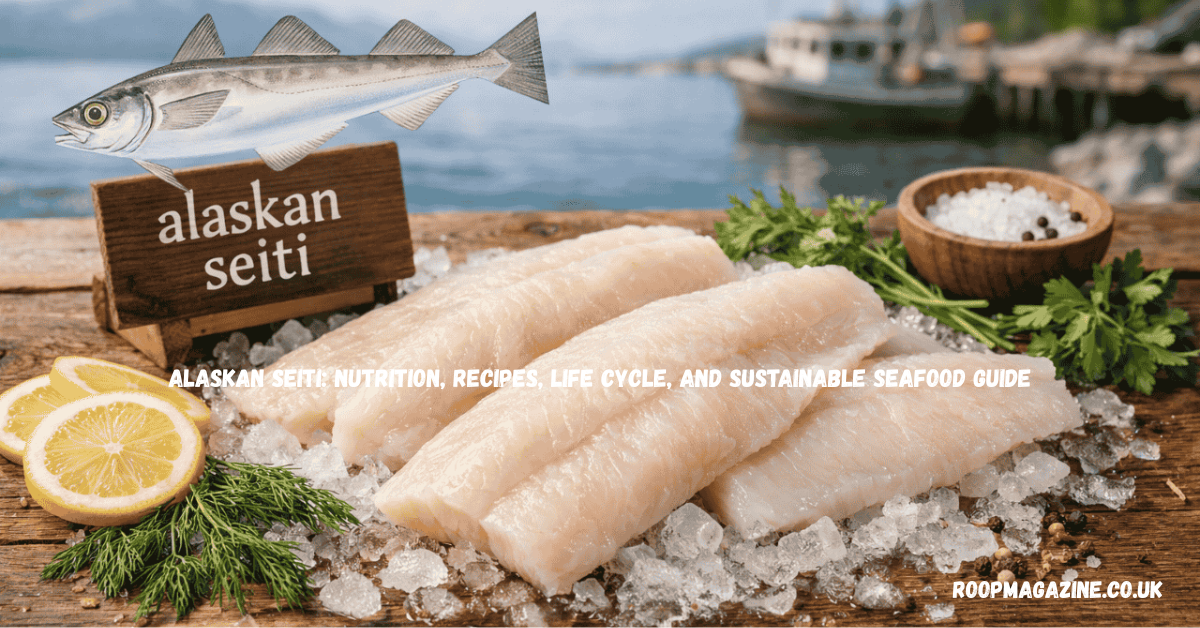
Alaskan Seiti has rapidly become one of the most talked-about fish in culinary and health circles — and for good reason. This mild, flaky white fish bridges the gap between nutritious eating and sustainable seafood. Whether you’re a food lover, health-focused eater, or sustainability-minded shopper, this comprehensive guide will walk you through everything you need to know — from nutritional benefits and preparation tips to ecology, life cycle, and environmental impact.
Let’s dive into the delicious details!
Introduction to Alaskan Seiti
Alaskan Seiti — commonly known in scientific and seafood industries as Alaska pollock (Gadus chalcogrammus) — is a lean whitefish harvested from the cold, nutrient-rich waters of the North Pacific Ocean, especially around Alaska’s Bering Sea and Gulf of Alaska.
Often underappreciated compared to its more famous cousins (like salmon or cod), Alaskan Seiti offers a blend of nutrition, affordability, and culinary versatility that makes it a standout choice for home cooks and professional chefs alike. Its mild flavor and delicate, flaky texture adapt beautifully to a wide range of cooking styles and global cuisines.
In many parts of the world — including Japan and Nordic countries — Seiti is featured in traditional dishes and modern fusion meals, showcasing its worldwide culinary appeal.
Nutrition Profile of Alaskan Seiti
One of the main reasons Alaskan Seiti is gaining popularity is its impressive nutritional profile: lean, rich in high-quality protein, and packed with essential vitamins and minerals that support overall health and wellness.
Macronutrients
A typical 100-gram cooked portion of Alaskan Seiti contains approximately:
- Calories: 75–90 kcal (low-calorie)
- Protein: 16–23 g (high-quality, complete protein)
- Fat: <1 g (very low in fat)
Because it’s low in calories and high in protein, Seiti is ideal for balanced diets, weight management, and athletes looking to support muscle maintenance without excess fat intake.
Omega-3 Fatty Acids
Alaskan Seiti provides heart-healthy omega-3 fatty acids (EPA and DHA), which play vital roles in cardiovascular health, inflammation control, and brain function — though levels are lower than in fattier fish like salmon, they are still significant for a whitefish.
Micronutrients
This fish is also rich in:
- Vitamin B12: Supports energy production and nervous system health
- Selenium: A powerful antioxidant that protects cells
- Phosphorus: Important for bone health
- Iodine and trace minerals: Support metabolic and thyroid function
Because many Alaska seafood species share similar nutrient benefits — including high-quality protein and essential vitamins — incorporating them regularly can be a smart choice for lifelong health.
Health Benefits of Alaskan Seiti
Eating Alaskan Seiti regularly can have wide-ranging benefits:
Heart Health
Omega-3 fatty acids found in Alaskan Seiti help lower inflammation, support healthy cholesterol levels, and optimize blood vessel function — all of which contribute to better cardiovascular health over time.
Muscle and Bone Support
Its protein and phosphorus content aid in muscle repair and bone strength, crucial for active individuals and aging adults alike.
Cognitive Function
B vitamins, especially B12, support brain health and energy metabolism, offering benefits for concentration, memory, and overall neural function.
Weight Management
With its low-calorie and high-satiety nutrient profile, Seiti is excellent for balanced diets and weight control.
Digestive Ease
Lean whitefish tends to be easily digested, making Seiti suitable for people of all ages, including children and older adults.
How to Cook and Prepare Alaskan Seiti
One of the most exciting aspects of Alaskan Seiti is its culinary flexibility. Its mild flavor makes it a blank canvas that pairs well with herbs, spices, and sauces.
Selecting and Preparing the Fillets
- Choose Fresh or Frozen: Look for fillets with a bright, slightly translucent appearance and firm texture.
- Rinse Gently: Rinse under cold water and pat dry — this helps achieve a golden crust when searing.
- Season Simply: A touch of salt, pepper, lemon juice, or your favorite herbs elevates the natural flavor.
Cooking Methods
- Grilling: Preheat the grill and cook each side for about 4–5 minutes until lightly charred and cooked through.
- Baking: At 375°F (190°C), bake fillets for 12–15 minutes until flaky.
- Pan-Searing: Use a hot skillet with olive oil or butter to get a crisp exterior while keeping the inside moist.
Whether baked, grilled, steamed, or pan-fried, Seiti is forgiving and quick to cook — ideal for both beginner and advanced home cooks.
Delicious Recipes Featuring Alaskan Seiti
Here are some favorite ways to enjoy this versatile fish:
1. Lemon-Herb Baked Seiti
Season fillets with lemon zest, dill, garlic, and olive oil, then bake until tender. Serve over a bed of quinoa or wild rice for a complete meal.
2. Classic Seiti Chowder
Combine cubed potatoes, corn, onions, and herbs in a light creamy base then add chunks of Seiti for a comforting, nutrient-rich chowder.
3. Garlic Butter Pan-Seared Fillets
Sear seasoned fillets in butter and garlic, finishing with a squeeze of fresh lemon. Serve with roasted vegetables.
4. Fish Tacos with Avocado and Salsa Verde
Shred cooked Seiti and serve on warm tortillas with avocado, salsa verde, and a sprinkle of cilantro for a vibrant, quick dinner.
The mild flavor and firm texture make Seiti excellent in everything from traditional meals to global cuisine twists — from pasta bowls to curry stews.
Life Cycle of Alaskan Seiti: From Hatchlings to Adults
Understanding the biology of the fish commonly called Alaskan Seiti (Alaska pollock) helps us appreciate its resilience and role in marine ecosystems.
Hatchlings: The Beginning
Millions of tiny pollock larvae hatch in cold North Pacific waters, relying on plankton and microscopic food sources for sustenance. These early days are critical for survival, as predation risk is high and food availability can fluctuate.
Juveniles: Growth and Development
As they grow, juvenile pollock venture into deeper waters, feeding on small crustaceans and developing schooling behavior. Schooling improves protection and foraging success while strengthening instinctive navigation skills.
Adults: Reproduction and Survival Tactics
Adult pollock participate in seasonal spawning when conditions are optimal. Females release thousands of eggs into nutrient-rich waters, continuing the cycle. Adults are adept foragers and use camouflage and schooling strategies to avoid predators such as larger fish and marine mammals.
Pollock (Seiti) are known for their short lifespan relative to larger fish, which helps make them one of the more sustainable commercial fish choices — they reproduce quickly and replenish populations faster than long-lived species.
Unique Adaptations and Behaviors
Alaskan Seiti possess several evolutionary traits that help them thrive:
- Streamlined body: Excellent for efficient movement in cold ocean currents.
- Coloration and schooling: Provides natural camouflage to reduce predation risk.
- Sensitive senses: Sharp sensory systems aid in detecting prey and navigating complex habitats.
These adaptations contribute to their success as both wild species and economically important fish in global seafood markets.
Threats to Alaskan Seiti Populations
Though considered a well-managed fishery, Alaskan Seiti (pollock) faces environmental and human pressures:
Overfishing
Even well-regulated fisheries must monitor quotas to prevent stock depletion, as pollock are a cornerstone of major commercial harvests, including supplies for products like surimi and frozen fillets.
Climate Change
Rising sea temperatures and shifting ocean currents can influence pollock distribution and reproductive success.
Pollution and Marine Contaminants
Chemical runoff, plastics, and environmental pollutants degrade habitat quality and can impact fish health across life stages.
Conscientious consumers and fishery managers continue to advocate for science-based policies to mitigate these threats.
Sustainability and Conservation Efforts
The good news is that Alaska’s pollock fishery — the species behind Alaskan Seiti — is widely regarded as one of the most sustainable in the world thanks to strong management practices that balance harvest with ecosystem health.
Strict Regulation
The Alaska seafood industry operates under rigorous oversight, including catch limits and real-time monitoring to ensure long-term viability of stocks.
Certifications
Organizations like the Marine Stewardship Council (MSC) certify fisheries that meet strict environmental and sustainability criteria.
Local Engagement
Community involvement and indigenous stewardship help maintain ecological balance while supporting coastal economies.
By choosing certified Alaskan Seiti, consumers support both environmental preservation and responsible consumption.
Where to Buy Alaskan Seiti
Alaskan Seiti is generally available in multiple forms:
- Fresh fillets at seafood markets during peak season
- Frozen portions year-round
- Processed products such as fish sticks, surimi, or fillets for easy meal prep
It’s widely sold in supermarkets, specialty fish stores, and online retailers — just look for labeling that indicates wild-caught Alaskan pollock or MSC certification for sustainability.
Conclusion:
Alaskan Seiti is more than just another whitefish — it’s a nutritious, versatile, and sustainable choice that suits diverse diets and culinary preferences. With high-quality protein, beneficial fats, and essential vitamins and minerals, this fish supports heart health, muscle growth, brain function, and overall wellness.
From simple weeknight dinners to gourmet seafood feasts, Alaskan Seiti’s mild flavor and adaptable texture make it an ideal ingredient for home cooks and professional chefs alike.
Perhaps most importantly, when sourced responsibly, Seiti represents a model of sustainable seafood — one that contributes to healthy ocean ecosystems while supporting vibrant coastal communities. By understanding its nutritional value, ecological role, and cooking potential, you can make informed choices that benefit both your table and the planet.
Dive into your culinary adventure with Alaskan Seiti — the sustainable superfish transforming tables around the world!
FAQs
1. What is Alaskan Seiti?
Alaskan Seiti, also known as Alaska pollock, is a mild, flaky whitefish harvested from the cold waters of Alaska. It is low in calories, high in protein, and widely used in cooking for its versatility and delicate flavor.
2. Is Alaskan Seiti healthy to eat?
Yes! Alaskan Seiti is a nutritional powerhouse. It provides high-quality protein, essential vitamins like B12, minerals such as selenium and phosphorus, and heart-healthy omega-3 fatty acids, all while being low in calories and fat.
3. How do you cook Alaskan Seiti?
Alaskan Seiti can be grilled, baked, pan-seared, or steamed. Simple seasoning with salt, pepper, lemon, and herbs works well. It’s versatile for dishes like chowder, tacos, or lemon-herb baked fillets.
4. Where can I buy Alaskan Seiti?
Alaskan Seiti is available in seafood markets, supermarkets, and online stores. Look for fresh fillets, frozen portions, or MSC-certified products to ensure sustainability.
5. What are the health benefits of Alaskan Seiti?
Eating Alaskan Seiti can improve heart health, support muscle growth, aid brain function, and assist in weight management. Its nutrients also support bone health, immunity, and energy metabolism.
6. Is Alaskan Seiti sustainable?
Yes, when sourced responsibly. Alaska pollock fisheries follow strict regulations and sustainable practices, making Seiti a model for eco-friendly seafood consumption. Look for MSC certification when purchasing.
7. Can children and elderly eat Alaskan Seiti?
Absolutely. Alaskan Seiti is easily digestible, low in fat, and packed with nutrients, making it suitable for people of all ages, including children and older adults.
8. What makes Alaskan Seiti different from other whitefish?
Its mild flavor, flaky texture, high protein content, low fat, and sustainable sourcing distinguish Alaskan Seiti from other whitefish like cod or haddock. It adapts well to a variety of recipes and cuisines.
9. How does Alaskan Seiti contribute to sustainable fishing?
Alaskan Seiti (pollock) is managed under strict quotas, monitored for population health, and often certified by the Marine Stewardship Council. Choosing Seiti supports responsible fishing practices and helps maintain healthy marine ecosystems.
10. Can I use Alaskan Seiti in international recipes?
Yes! Alaskan Seiti works in global cuisines, from Japanese tempura to Mexican fish tacos, Mediterranean baked dishes, and creamy chowders. Its neutral flavor makes it extremely versatile.