Education is undergoing a profound transformation. As societies face rapid technological change, climate challenges, economic uncertainty, and mental-health concerns, traditional education systems are increasingly seen as outdated. Memorization-based learning, rigid subject divisions, and exam-centered evaluation no longer meet the needs of modern learners.
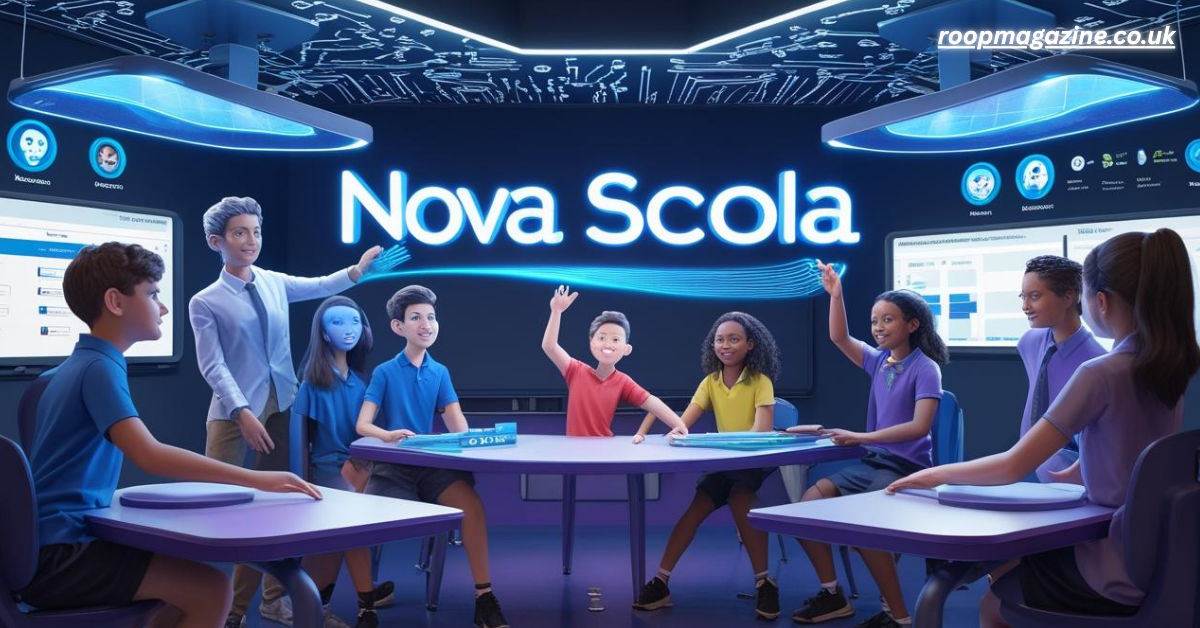
This is where Nova Scola emerges as a powerful alternative. More than a school or curriculum, Nova Scola represents a new philosophy of learning—one that prioritizes holistic development, real-world relevance, emotional intelligence, and lifelong adaptability. This comprehensive guide explores what Nova Scola is, how it works, why it matters, and how it is shaping the future of education.
Introduction to Nova Scola
Nova Scola reflects a global shift in thinking about education. Instead of asking “How well can students memorize information?”, it asks “How well can students think, adapt, collaborate, and contribute?”
Modern learners need more than academic knowledge. They need creativity, resilience, ethical awareness, and the ability to navigate uncertainty. Nova Scola addresses these needs by reimagining schools as ecosystems of growth, where learning is meaningful, human-centered, and connected to real life.
What Is Nova Scola?
Nova Scola is a holistic, student-centered education model designed for the realities of the 21st century. The name comes from Latin, meaning “New School,” and it reflects a clear departure from traditional, industrial-era education systems.
Rather than focusing on standardized testing and rigid curricula, Nova Scola emphasizes:
- Personalized learning
- Interdisciplinary education
- Community engagement
- Emotional and social development
- Ethical use of technology
Students are not passive recipients of information. They are active participants and co-creators of knowledge, learning through experience, inquiry, and collaboration.
The Origins and Evolution of Nova Scola
Educational Philosophies Behind Nova Scola
Nova Scola is rooted in progressive educational philosophies that emphasize experiential learning and student agency. Influences include:
- Experiential education, which values learning by doing
- Student-centered learning, where learners shape their educational paths
- Critical pedagogy, which connects learning to social responsibility
These philosophies share a belief that education should prepare individuals for life—not just exams.
Why Nova Scola Emerged in the Modern Era
Several global trends accelerated the rise of Nova Scola:
- Disruptions caused by the COVID-19 pandemic
- Rapid advancement of artificial intelligence and automation
- Growing concern over student mental health
- Increasing demand for creativity, adaptability, and collaboration in the workforce
Traditional systems struggled to respond quickly. Nova Scola emerged as a flexible and resilient alternative, designed to adapt to change rather than resist it.
Core Principles of the Nova Scola Education Model
Student-Centered and Personalized Learning
Every learner is unique. Nova Scola recognizes this by offering personalized learning paths based on individual interests, strengths, and learning styles. Students progress at their own pace while receiving guidance from mentors.
Interdisciplinary and Project-Based Education
Subjects are not taught in isolation. Instead, students explore real-world themes—such as sustainability, technology, or social justice—through integrated projects that combine science, mathematics, humanities, and the arts.
Equity, Inclusion, and Cultural Relevance
Nova Scola prioritizes access to quality education for all learners. Curricula reflect diverse cultures, histories, and perspectives, ensuring that students feel seen, valued, and respected.
Community-Based and Real-World Learning
Learning extends beyond school walls. Students collaborate with local organizations, professionals, and community leaders, applying knowledge to real challenges and developing a sense of civic responsibility.
Sustainability and Global Citizenship
Environmental awareness and global responsibility are woven into all areas of learning. Students explore ecological systems, ethical decision-making, and long-term sustainability.
Ethical Use of Technology and AI
Technology supports learning rather than dominating it. Digital tools and AI are used to personalize education, encourage collaboration, and enhance creativity—while emphasizing data privacy, digital well-being, and ethical responsibility.
How Nova Scola Works in Practice
A Day in the Life of a Nova Scola Student
A typical day in Nova Scola looks very different from a traditional school schedule:
- The day may begin with mindfulness, reflection, or journaling
- Students work on interdisciplinary theme modules
- Mentorship sessions guide goal-setting and self-assessment
- Studio time allows experimentation, prototyping, or creative work
- Community engagement connects learning to real-world contexts
The structure is flexible yet purposeful, encouraging ownership and curiosity.
Role of Teachers as Mentors and Facilitators
Teachers act as mentors, not lecturers. Their role is to guide inquiry, support reflection, and help students connect ideas—rather than simply delivering content.
Learning Beyond Traditional Classrooms
Learning spaces include:
- Outdoor environments
- Community centers
- Digital collaboration platforms
- Museums, labs, and workshops
This reinforces the idea that learning is continuous and not confined to classrooms.
Curriculum Design and Learning Environment
Nova Scola’s curriculum is adaptive and dynamic. Instead of fixed yearly plans, content evolves based on:
- Student interests
- Community needs
- Global developments
Students learn through real-world challenges that demand creativity, collaboration, and critical thinking. This approach increases engagement and deep understanding while reducing stress and disengagement.
Unique Features That Set Nova Scola Apart
No Standardized Tests or Rigid Grading
Nova Scola moves away from traditional exams. Instead, learning is assessed through:
- Portfolios
- Project presentations
- Peer feedback
- Mentor evaluations
Portfolio-Based and Authentic Assessment
Students demonstrate understanding by creating tangible work that reflects growth, creativity, and impact.
Social-Emotional Learning (SEL) Integration
Emotional intelligence, empathy, self-regulation, and communication are taught and assessed alongside academics.
Decentralized and Hybrid Learning Spaces
Education becomes flexible, inclusive, and immersive rather than confined to rigid institutional structures.
The Role of Technology in Nova Scola
AI-Assisted Personalized Learning Paths
Adaptive tools help tailor content and pacing to individual learners, improving engagement and mastery.
Digital Platforms for Global Collaboration
Students collaborate with peers across regions and cultures, developing cross-cultural understanding.
Data Privacy and Digital Well-Being
Ethical guidelines ensure technology supports learning without compromising student health or privacy.
Technology as Support, Not Replacement
Human connection remains central. Technology enhances education—it does not replace teachers or relationships.
Measuring Success the Nova Scola Way
Nova Scola redefines success beyond grades:
- Growth reports track academic and personal development
- Portfolios showcase skills and creativity
- Social-emotional milestones recognize personal growth
- Active participation replaces seat-time metrics
This approach offers a more complete picture of readiness for life and work.
Impact of Nova Scola on Students
Students educated through Nova Scola often demonstrate:
- Stronger critical thinking and problem-solving skills
- Greater emotional intelligence and empathy
- Higher engagement and motivation
- Confidence in collaboration and leadership
- A mindset of lifelong learning
Research consistently shows that these competencies are essential for success in modern societies and economies.
Real-World Relevance and Global Challenges
Nova Scola directly addresses global challenges:
- Climate awareness through sustainability projects
- Digital literacy and media responsibility
- Economic understanding and ethical entrepreneurship
- Civic participation and social responsibility
Students learn not only to understand these issues but to take meaningful action.
Glocalization – Global Vision, Local Implementation
Nova Scola combines global educational values with local culture and knowledge. Communities adapt the framework to reflect:
- Local history and traditions
- Regional challenges
- Cultural identities
This flexibility ensures relevance and inclusivity across diverse contexts.
Case Studies and Real Implementations
Nova Scola São Paulo
One prominent implementation serves students from diverse backgrounds using mentorship-based learning, interdisciplinary projects, and community collaboration. A significant majority of graduates transition successfully into higher education, entrepreneurship, or leadership roles.
Urban, Rural, and Low-Income Contexts
Smaller learning hubs demonstrate that Nova Scola principles can thrive in varied socioeconomic environments, using local resources and partnerships.
Benefits of the Nova Scola Model
For students:
- Deeper understanding
- Real-world readiness
- Emotional resilience
For teachers:
- Greater professional fulfillment
- Meaningful relationships with learners
For communities:
- Stronger civic engagement
- Shared problem-solving
For society:
- Ethical, adaptable, and creative citizens
Challenges and Criticism of Nova Scola
Scalability and Policy Barriers
Implementing Nova Scola on a large scale requires policy reform and funding innovation.
Teacher Training and Mindset Shift
Educators need professional development to transition from traditional instruction to facilitation.
Parental Expectations About Grades
Clear communication is required to build trust around alternative assessment methods.
Alignment With Universities and Institutions
Traditional admissions systems may need to adapt to portfolio-based evaluation.
Nova Scola vs Traditional Education Systems
| Traditional Education | Nova Scola |
|---|---|
| Fixed subjects | Interdisciplinary learning |
| Exams and grades | Portfolios and growth reports |
| Teacher-centered | Student-centered |
| Rigid schedules | Flexible learning paths |
Nova Scola focuses on preparation for life—not just exams.
Who Can Start or Join a Nova Scola?
- Schools seeking innovation
- Educators integrating student-centered methods
- Parents and community groups
- NGOs and policymakers
Nova Scola is a model, not a single institution.
Future Directions of Nova Scola
Future initiatives include:
- Climate-resilient campuses
- Neurodiverse-inclusive environments
- Intergenerational learning
- Global collaboration networks
- Decolonized and culturally inclusive curricula
Why Nova Scola Matters in the 21st Century
Nova Scola matters because the future demands adaptability, empathy, and ethical leadership. It prepares learners not just to succeed—but to contribute meaningfully to society.
Conclusion
Nova Scola represents a bold reimagining of education. By prioritizing holistic development, real-world relevance, and lifelong learning, it offers a compelling alternative to outdated systems. As societies face complex global challenges, Nova Scola provides a pathway toward education that is human-centered, inclusive, and future-ready.
FAQs
What is Nova Scola in simple words?
Nova Scola is a modern way of learning that focuses on real-life skills, creativity, and personal growth instead of memorization and exams.
How is Nova Scola different from traditional schools?
It replaces fixed subjects and tests with projects, mentorship, and personalized learning.
Does Nova Scola use exams or grades?
No. Students are evaluated through portfolios, projects, and growth assessments.
Can Nova Scola work in small towns or low-income areas?
Yes. It adapts to local resources and community involvement.
Who can start a Nova Scola model?
Teachers, schools, parents, and communities can adopt its principles.