
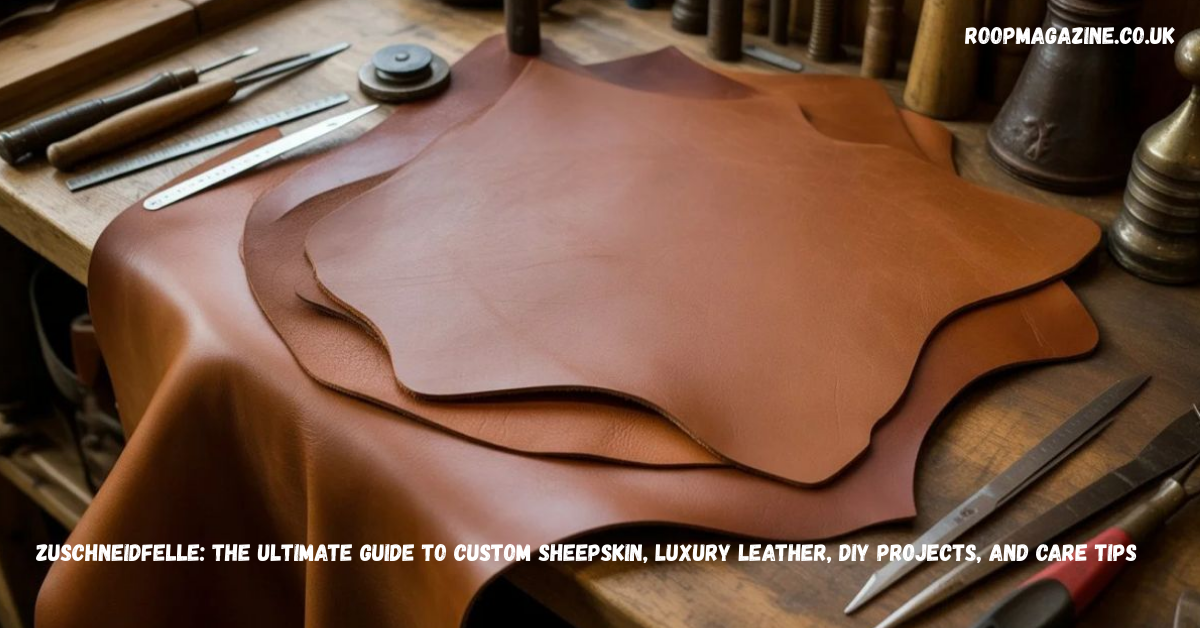
Zuschneidfelle are more than just sheepskins — they represent a fusion of traditional craftsmanship, functionality, and modern customization. In German, Zuschneidfelle literally means “cut‑to‑size skins”, referring to sheepskins that have been precisely tailored to fit a specific purpose or space. Unlike standard fixed‑shape sheepskins, zuschneidfelle are crafted to meet exact measurements, making them ideal for everything from elegant interior design to medical and automotive use.
Their natural softness, breathability, and temperature-regulating properties make them both practical and luxurious, whether used for home décor, baby comfort, or professional applications. In this complete guide, we’ll explore zuschneidfelle from every angle — materials, benefits, uses, market trends, care, and future developments — so you can fully understand and appreciate this versatile material.
What Are Zuschneidfelle and How Do They Work?
Zuschneidfelle begin as genuine sheepskins that are processed to preserve the leather and wool, then cut precisely to custom shapes and sizes. This tailored cutting sets them apart from generic hides that come in predetermined forms.
Naturally, sheepskin stands out for several intrinsic qualities:
- Exceptional softness and insulation, thanks to wool fibers that trap air and warmth while remaining light.
- Temperature regulation — wool helps keep you warm in cool conditions and cool in warmth.
- Moisture-wicking ability, helping prevent odors and discomfort by drawing moisture away from the skin.
The customization process means a zuschneidfelle can be shaped to fit a baby stroller lining, a non-standard furniture seat, a car interior, or an irregular space in home décor — providing both form and function.
Types of Zuschneidfelle Materials
While most zuschneidfelle are created from natural sheepskin, the term has also expanded in some contexts to include a broader range of materials tailored for specific projects. Let’s explore the primary types:
Natural Sheepskin (Premium Leather)
Natural sheepskin is the traditional basis for zuschneidfelle. It consists of the leather hide with wool attached, offering softness, breathability, and temperature regulation. This makes it excellent for both luxury consumer goods and functional products like medical cushions.
Synthetic Alternatives
Some craft or budget projects use synthetic materials, including PVC, vinyl, or man-made fur alternatives. These may resist moisture and are easier to clean, though they lack the same natural performance and longevity as real sheepskin.
Felt, Jute, and Eco-Friendly Fibers
For certain DIY and craft projects, materials like felt, jute, and cotton may be used as surrogates offering warmth, texture, and sustainability. They can be cut similarly to zuschneidfelle but are suited to lighter-duty applications.
Each material choice comes with its own trade-offs in durability, comfort, cost, and environmental impact.
Benefits of Using Zuschneidfelle
So why choose zuschneidfelle over standard sheepskins or synthetic alternatives? These tailored skins offer a suite of natural and practical advantages.
Comfort and Temperature Regulation
Natural wool fibers provide excellent insulation and breathability. They help regulate temperature, making zuschneidfelle comfortable year-round — warm in winter and cool in summer. This makes them ideal for seat covers, bedding layers, and even baby liners.
Durability and Longevity
Properly tanned and maintained sheepskin can last for years without losing softness or structural integrity. With the right care, many zuschneidfelle continue to look and feel great long after purchase.
Moisture Management and Odor Control
Sheepskin naturally absorbs moisture while remaining dry to the touch, which helps reduce odors and enhances comfort, especially in high-use applications like automotive interiors or wheelchair cushions.
Eco-Friendly and Sustainable Choice
When sourced and processed responsibly, natural sheepskin is biodegradable and requires less energy and chemical processing than many synthetic alternatives. The rise in sustainable luxury preferences also favors natural materials over petrochemical-based synthetics.
Applications of Zuschneidfelle
Zuschneidfelle are used across a wide range of industries and lifestyles — from everyday comfort to high-end luxury.
Home Interiors
Custom sheepskin rugs, chair covers, bench liners, or sofa throws add texture, warmth, and character to living spaces where generic rugs miss the mark. Designers love zuschneidfelle for non-standard spaces, like narrow hallways or asymmetrical furniture.
Baby Products
Naturally soft and temperature regulating, zuschneidfelle are popular for pram liners, car seat inserts, and nursery play mats. Their plush feel and breathable wool make them gentle on sensitive skin.
Medical and Care Environments
In healthcare settings, specialized sheepskin products help redistribute pressure, reduce the risk of sores, and improve comfort for patients who are immobile or spend long periods lying down. These therapeutic uses are increasingly common in hospitals and care homes.
Fashion and Luxury Goods
Luxury designers use bespoke sheepskin in handbags, footwear, jackets, and accessories where softness and premium feel are essential. Unlike lower-grade materials, quality sheepskin products develop a rich patina over time.
Automotive and Aviation Interiors
From seat covers to cockpit liners, sheepskin’s comfort and thermal properties enhance long drives and flights alike. Some luxury automotive brands use tailor-cut sheepskin for premium seating surfaces.
DIY and Craft Projects
Craft enthusiasts benefit from zuschneidfelle because they cut and shape easily, letting creators make anything from decorative appliqués and crafts to pet beds and wall hangings.
How Zuschneidfelle Are Made
Quality zuschneidfelle begins with premium raw hides and follows meticulous processing to ensure longevity, performance, and appearance.
Selection of Premium Hides
Only hides free from major imperfections are chosen. Larger, defect-free skins yield more usable material with consistent texture.
Tanning and Preservation
The hides undergo tanning, which stabilizes the leather and protects wool fibers. Modern eco-tanning methods are increasingly common, reducing harmful chemicals and environmental impact.
Precision Cutting and Custom Shapes
Once tanned and dried, skins are measured and cut to exact specifications — whether rectangles, circles, complex patterns, or custom seat liners. Precision cutting ensures minimal waste and maximizes usability.
Finishing Touches
Edges may be reinforced or finished to prevent fraying and increase durability — especially important for heavy-use applications like seat covers or frequent handling items.
Caring for Zuschneidfelle
Proper care ensures your zuschneidfelle remain soft, durable, and beautiful for years.
Regular Cleaning and Brushing
Light brushing with a soft brush removes dust and revives wool fibers. For deeper cleaning, gently blot spills without rubbing violently to avoid damaging fibers.
Handling Spills and Stains
Use a damp cloth and mild soap to treat minor stains. Avoid soaking the leather backing, and never expose the hide to excessive water.
Avoiding Heat and Sunlight Damage
Direct sunlight and heat can dry the leather backing and fade wool colors. Store items in cool, dry places away from heat sources.
Professional Cleaning
For heavily used items or stubborn stains, professional cleaning tailored to natural sheepskin is recommended.
Why Choose Zuschneidfelle Over Synthetic Alternatives
While synthetic materials like PVC or vinyl are cheaper and easier to clean, real sheepskin offers multiple performance benefits.
Better Air Circulation
Unlike many synthetics that trap heat and moisture, natural wool allows air to circulate, preventing overheating and discomfort.
Superior Comfort
Sheepskin adapts to body temperature, enhancing comfort in ways artificial materials can’t match.
Longevity and Resilience
Natural fibers are inherently resilient and retain shape and softness longer than most synthetics, making zuschneidfelle a better long-term investment.
Sustainability
Real sheepskin (when responsibly sourced) is biodegradable and a natural material, whereas many synthetics are derived from plastics with a larger environmental footprint.
Innovations and Trends in Zuschneidfelle
Though rooted in traditional craftsmanship, the world of zuschneidfelle is evolving.
Digital Precision Cutting
New technologies like laser or CNC cutting improve measurement accuracy and reduce waste, making custom shapes more precise and efficient.
Hybrid Materials
Some manufacturers are experimenting with blends of natural sheepskin and performance textiles to create products that are lightweight yet durable, expanding usability in sports, travel, and tech accessories.
Eco-Tanning Methods
Chemical-free or reduced-chemical tanning (such as vegetable tanning) aligns with consumer demand for environmentally responsible processes.
Global Market and Demand for Zuschneidfelle
The sheepskin and lambskin market — the base raw material for zuschneidfelle — is substantial and growing. In 2024, the global consumption of sheep or lamb skins without wool reached around 2.4 million tons, valued at roughly $4.8 billion, and is projected to grow steadily through 2035.
China dominates both consumption and production, accounting for around 39% of global consumption and 28% of production volume.
This global footprint reflects growing demand across luxury interiors, high-end fashion, automotive interiors, medical products, and artisan crafts.
Challenges in the Zuschneidfelle Industry
Despite their advantages, zuschneidfelle and the broader sheepskin industry face challenges:
High Cost of Premium Materials
Natural sheepskin costs more than many synthetic alternatives due to raw material, processing, and handling costs.
Need for Skilled Labor
Cutting and crafting high-quality zuschneidfelle require experienced artisans, whose skills can be scarce.
Supply Chain Dynamics
Market fluctuations, livestock supply changes, and trade policies can impact availability and pricing of raw skins.
The Future of Zuschneidfelle
The future of zuschneidfelle lies in combining tradition with innovation:
- Sustainability as a standard, with eco-friendly processing becoming mainstream
- Technological integration in cutting and design for consistency and waste reduction
- Resurgence in artisanal craftsmanship, as consumers rediscover value in handcrafted, premium products
As consumers increasingly seek quality, customization, and sustainability, zuschneidfelle are poised to remain a versatile and highly valued material across industries.
FAQs
What does zuschneidfelle mean?
Zuschneidfelle is a German term meaning “cut-to-size sheepskins”, referring to sheepskins tailored to specific dimensions or patterns.
Are zuschneidfelle made from real sheepskin?
Yes — they are made from genuine sheepskin that has been treated and precisely cut to meet specific requirements.
Can zuschneidfelle be used for baby products?
Absolutely — they are popular for prams, car seats, and play mats due to their softness and temperature regulation.
How long do zuschneidfelle last?
With proper care, they can last many years without losing softness or shape.
Are zuschneidfelle easy to maintain?
Yes — regular brushing, gentle cleaning, and proper storage are generally enough to keep them in excellent condition.
Conclusion
Zuschneidfelle represent the intersection of natural performance, tailored design, and timeless beauty. From luxurious interiors and high-end fashion to medical comfort and creative DIY projects, they offer unmatched versatility.
Their natural properties — breathability, moisture control, insulation, and longevity — combined with the ability to be custom-cut for specific uses, make zuschneidfelle a smart, sustainable, and stylish choice across lifestyles and industries.
As global demand continues to evolve — with sustainability, craftsmanship, and customization at the forefront — zuschneidfelle stand poised as both a practical material and a symbol of enduring luxury.